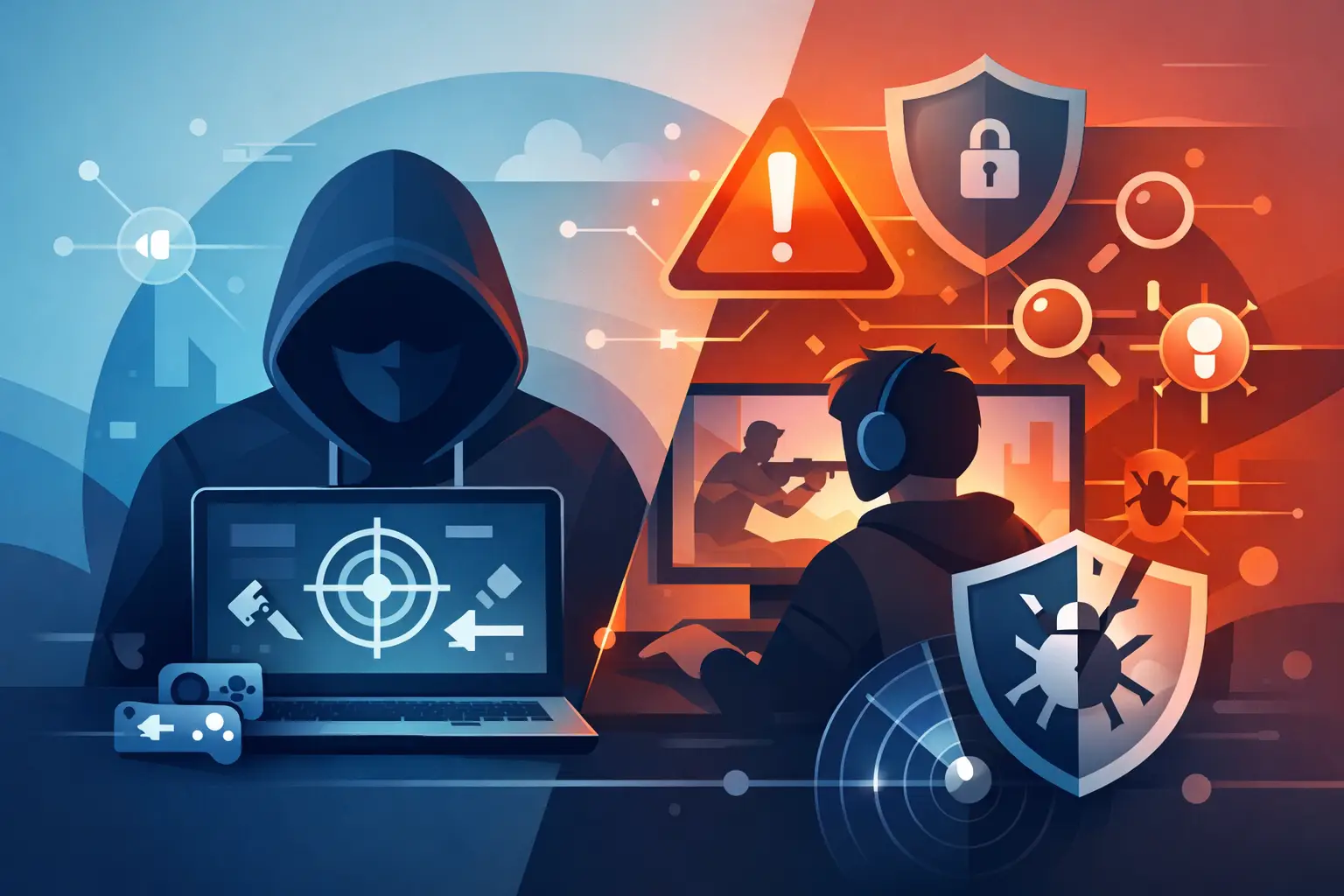
Are private cheats detected? Yes. Private access can reduce exposure compared with widely shared public tools, but it does not make a cheat invisible or guarantee account safety. Anti-cheat systems, game developers, player reports, and delayed enforcement can all lead to action against an account.
The hard truth is simple: private does not mean undetectable forever. Any software that modifies a game, automates behavior, changes memory, manipulates network activity, or provides an unfair multiplayer advantage carries risk. If the account matters, treat that risk seriously.
Why private cheats can still be detected
A private cheat usually means access is limited to a smaller customer base. That can make a tool less visible than a free download passed around on public forums. Fewer users may mean fewer obvious reports, fewer reposts, and less immediate attention from developers.
That is a distribution advantage, not a permanent safety shield.
Game security changes constantly. A tool that appears stable one week can become exposed after a game patch, an anti-cheat update, or a backend review. Detection does not always happen the moment software is used, either. Some publishers collect signals over time and issue penalties later. A player can assume everything is fine, then lose access days or weeks afterward.
Private tools are also still software. They can contain bugs, compatibility problems, outdated components, or behavior that draws attention in a live match. The size of the user base does not remove those realities.
Detection is not always instant
Many players think detection works like an alarm: launch a tool, get banned immediately. Sometimes that happens. Often, it does not.
Enforcement can be delayed because publishers may review activity in batches, investigate reports, or wait for enough evidence to act confidently. This creates a false sense of security. A cheat can appear to work without consequences for a period of time, while the account has already been flagged for later review.
That delay is why claims such as “safe forever” or “guaranteed undetected” should be treated with skepticism. No provider controls a game publisher’s enforcement decisions, server-side checks, updates, or future anti-cheat changes.
For competitive games, the risk can extend beyond one match. Depending on the title and platform, consequences may include account suspensions, permanent bans, leaderboard removals, inventory loss, restricted matchmaking, or loss of access to purchased content. The exact outcome depends on the game’s rules and enforcement system.
What increases the chance of account action
The biggest risk is not always the software alone. Behavior matters.
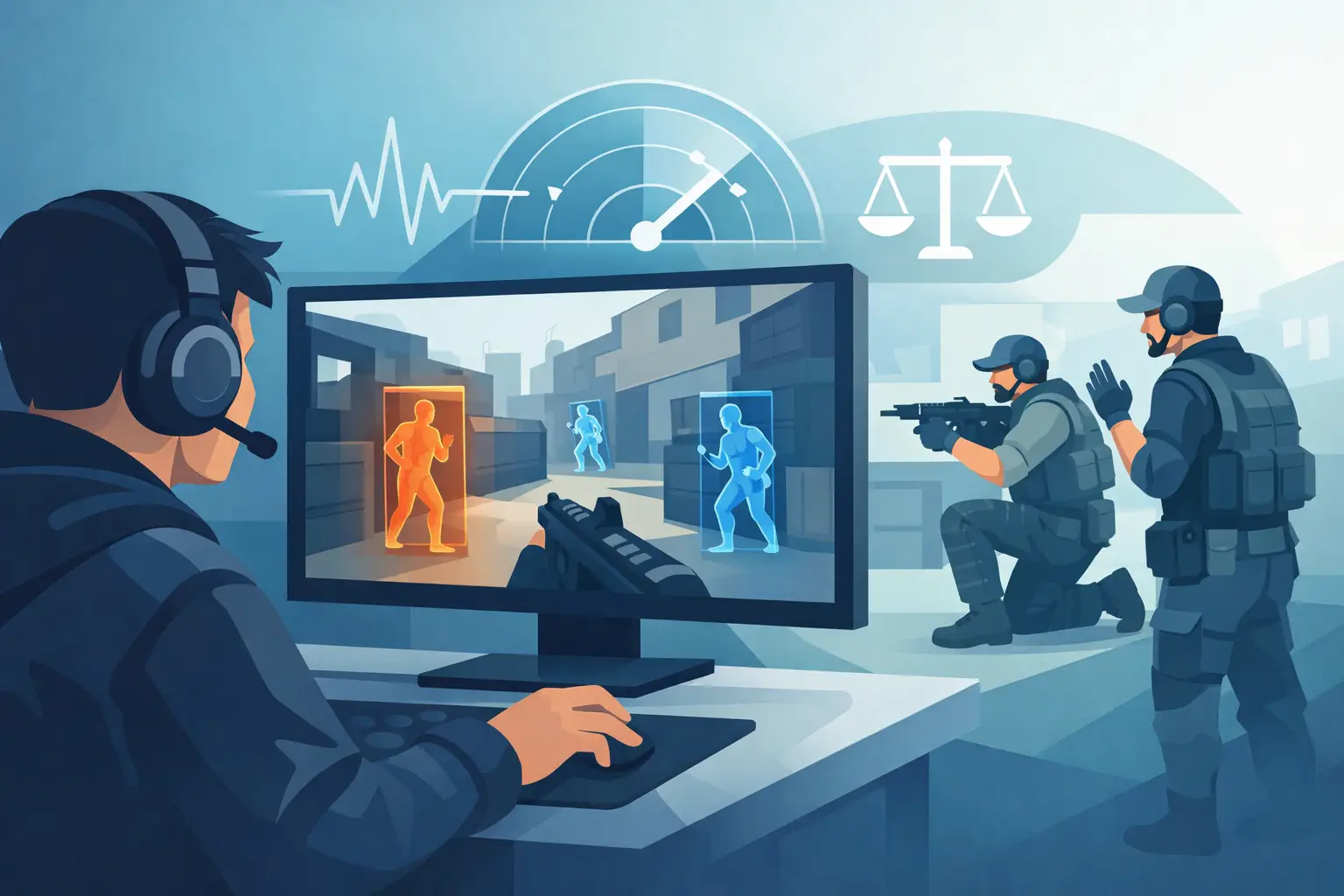
Using impossible movement, extreme progression changes, obvious aim assistance, item spawning, teleporting, griefing tools, or other highly visible advantages can attract reports quickly. A private tool cannot protect an account from other players noticing what is happening on screen.
Multiplayer environments are especially unforgiving because the effect is shared. If one player’s actions ruin a race, match, economy, lobby, or ranked session, reports and manual reviews become more likely. This is particularly relevant in popular online games where communities are active and suspicious behavior is recorded, clipped, and reported fast.
Forza Horizon 6 may be a major draw for players looking for faster progression, money edits, unlocks, or unusual vehicle behavior. But online features are connected to other players, shared systems, and publisher rules. What seems like a quick advantage can put an account, its progress, and its purchases at risk.
“Undetected” is a status, not a lifetime promise
In cheat communities, “undetected” is often used to describe current status. It generally means there are no known widespread detections associated with a particular build at that moment. It should not be read as a promise that detection is impossible.
That distinction matters. A status can change after a game update, a security update, a new signature, a server-side adjustment, or an investigation into suspicious player data. Software maintenance can improve compatibility and address known issues, but maintenance cannot eliminate the underlying risk of violating a game’s rules.
The best way to read any detection claim is with precision: what game version does it apply to, what feature set is involved, how recently was it tested, and does the publisher reserve the right to ban accounts based on behavior or data review? If the answer is vague, the risk is vague too.
Private does not mean trustworthy
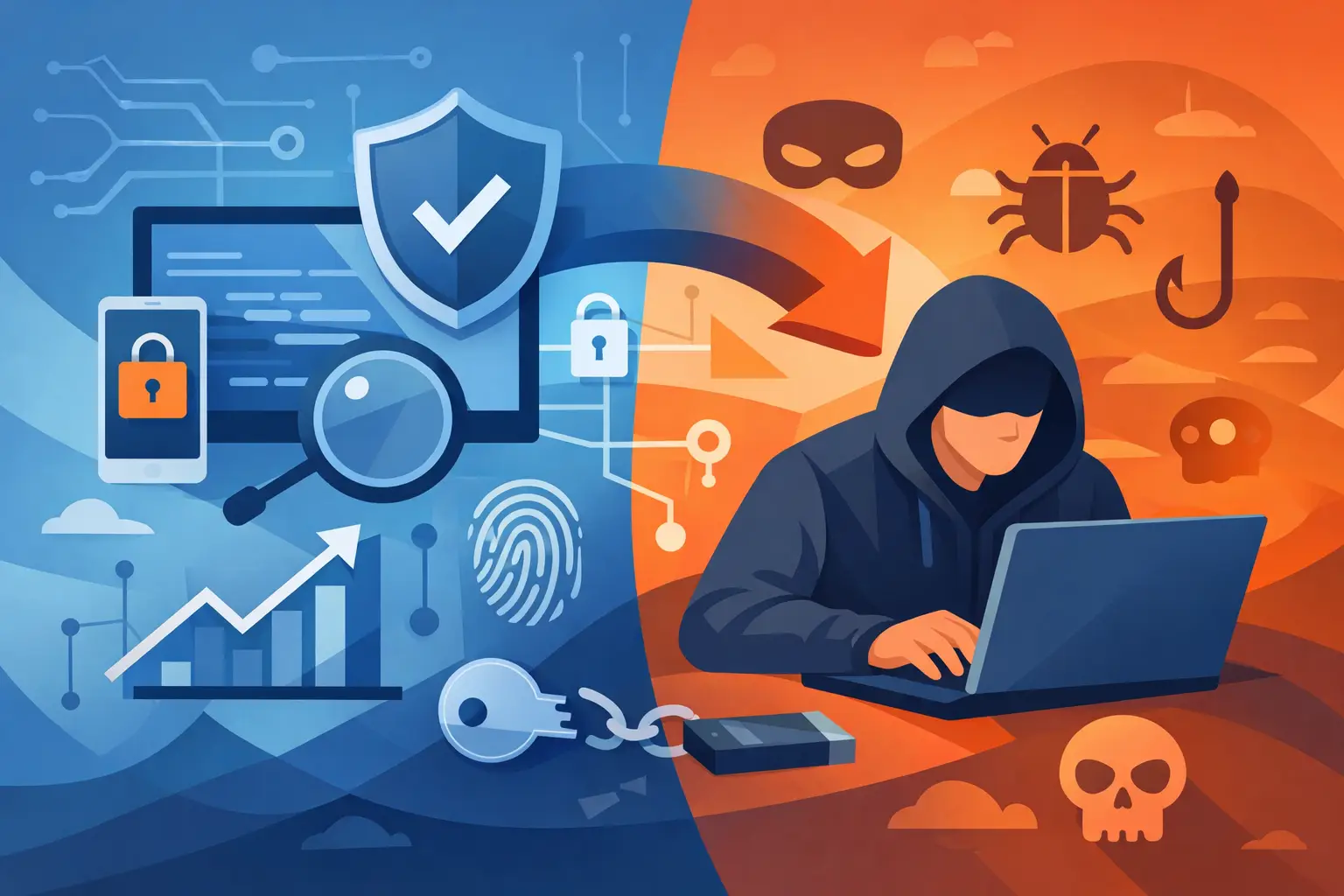
Detection risk is only one part of the decision. Private cheat access can also create security and payment risks.
A tool may request elevated permissions, access to sensitive parts of a system, or credentials through a loader. That creates an obvious trust issue. A player is handing control to software that may not be independently verified, while also potentially exposing a gaming account, payment information, or personal device.
Be cautious with any service that uses pressure tactics, makes absolute promises, hides refund terms, or provides no clear support channel. “Private” is sometimes used as a marketing label rather than a meaningful statement about quality, testing, or safety.
A smaller user base can reduce noise. It cannot prove that software is clean, supported, or secure.
The smarter choice depends on what you want from the game
If the goal is to experiment, create content, or speed through a solo experience, look first at options the game officially permits. Single-player modes, offline saves, approved mods, sandbox settings, accessibility features, and community servers with explicit rules offer far less risk than using unauthorized tools in protected online play.
If the goal is competitive performance, cheats usually solve the wrong problem. They can create short-term results, but they also make progress meaningless and place the account under constant risk. Practice tools, replay review, controller or mouse settings, vehicle tuning, game knowledge, and legitimate training modes produce gains that stay with the player.
There is also a social cost. In multiplayer games, one player using unfair advantages can waste a lobby, damage a ranked mode, or push legitimate players away. That is why publishers take enforcement seriously even when a tool is marketed as private or discreet.
If you have already used one
Do not assume that deleting a program erases every consequence or resets an account’s standing. Avoid trying to bypass game security or conceal activity. That can make the situation worse and may violate additional platform rules.
Instead, stop using unauthorized software, review the game and platform policies, secure the account with a strong unique password and two-factor authentication where available, and use official support channels if an account action occurs. If a game offers legitimate mod support, keep that activity within the allowed mode, server, and community rules.
The bottom line on private cheat detection
Private cheats can be detected. They may be less exposed than public releases, but lower visibility is not immunity. Detection can be immediate or delayed, automated or manual, and based on software signals, account data, gameplay behavior, or player reports.
The practical question is not whether a tool claims to be private. It is whether the possible loss of an account, purchases, progression, reputation, and access is worth the advantage. For any account you value, the safest move is to keep unauthorized tools out of protected online games.