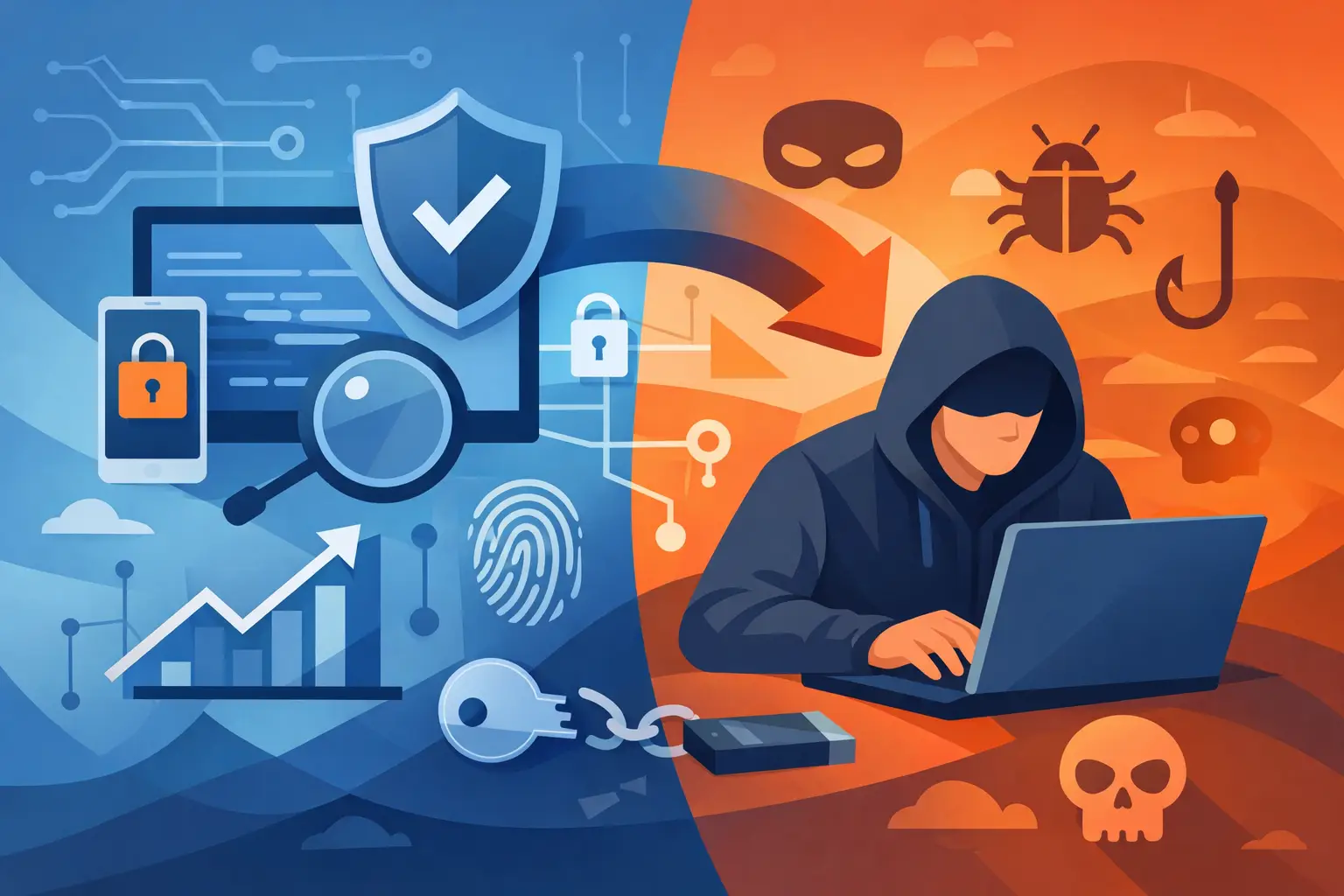
Getting flagged usually starts with one bad decision - a free public build, a dead injector, or a cheat that stopped getting updates three patches ago. A real safe online cheat guide is not about pretending risk does not exist. It is about lowering that risk with better tools, cleaner habits, and smarter timing.
If you play online on PC, the first rule is simple. Safety is not a feature by itself. It is a stack. The cheat matters, the loader matters, the game matters, and your own behavior matters just as much. Miss one layer and the whole setup gets weaker.
What a safe online cheat guide should actually cover
Most players looking for a safe online cheat guide want one answer: what keeps an account alive longer? The honest answer is maintenance and discipline. Private cheats with active support tend to outperform random public releases because anti-cheat changes fast. If the developer is not updating offsets, bypass methods, injection flow, or detection vectors, you are playing on borrowed time.
That is why loader-based products usually make more sense than loose files passed around in forums or chat servers. A custom loader reduces user error. It controls delivery, keeps builds current, and cuts down the mess that comes from manual injection with outdated tools. Convenience is part of safety. The fewer chances you have to inject the wrong file or use an old version, the better.
There is still no such thing as zero risk in a protected online environment. Any seller claiming permanent safety is selling fantasy. What you want is an undetected product with a clear maintenance pattern, fast updates after game patches, and features that do not force reckless behavior.
Picking the right cheat matters more than picking the most features
A giant feature list looks good until it gets you banned. More options are not always better if the menu is unstable, bloated, or poorly maintained. A tighter trainer or mod menu with tested core functions can be a safer choice than a flashy build packed with broken extras.
Start with the basics. Ask whether the cheat is private or effectively public. Ask how often it gets updated. Ask whether it uses a custom loader or expects you to handle everything manually. Ask whether the provider has a history of maintaining specific games instead of dropping a build and disappearing.
Game-specific support matters too. Anti-cheat behavior is not universal. A setup that works well in one title can fail badly in another. That is especially true with current high-interest releases. Forza Horizon 6, for example, is pulling heavy attention right now, which means more scrutiny, more users making bad choices, and more reason to avoid low-quality public menus. If a cheat provider supports a title like that, what matters is not hype. It is update speed and consistency.
The loader is part of the protection layer
Players obsess over menu features and ignore the delivery method. That is a mistake. A custom loader can reduce friction, but more importantly, it can reduce exposure to user-side errors. Manual injection sounds simple until someone launches the wrong process, uses a stale DLL, disables the wrong setting, or stacks incompatible tools on top of each other.
A controlled loader environment helps standardize the process. Download, inject, play. That flow is cleaner than chasing files across drives and hoping everything matches the current game version. It also makes it easier for the provider to push updates quickly when a patch lands or when anti-cheat behavior shifts.
This is where premium products separate from junk. Good software does not just load. It is built around staying current and reducing unnecessary risk points. That is a real advantage online.
Bad user behavior gets accounts burned
A safe tool in the hands of a reckless player stops being safe fast. This is where most people fail. They buy a decent cheat, then run it like they want to get reported.
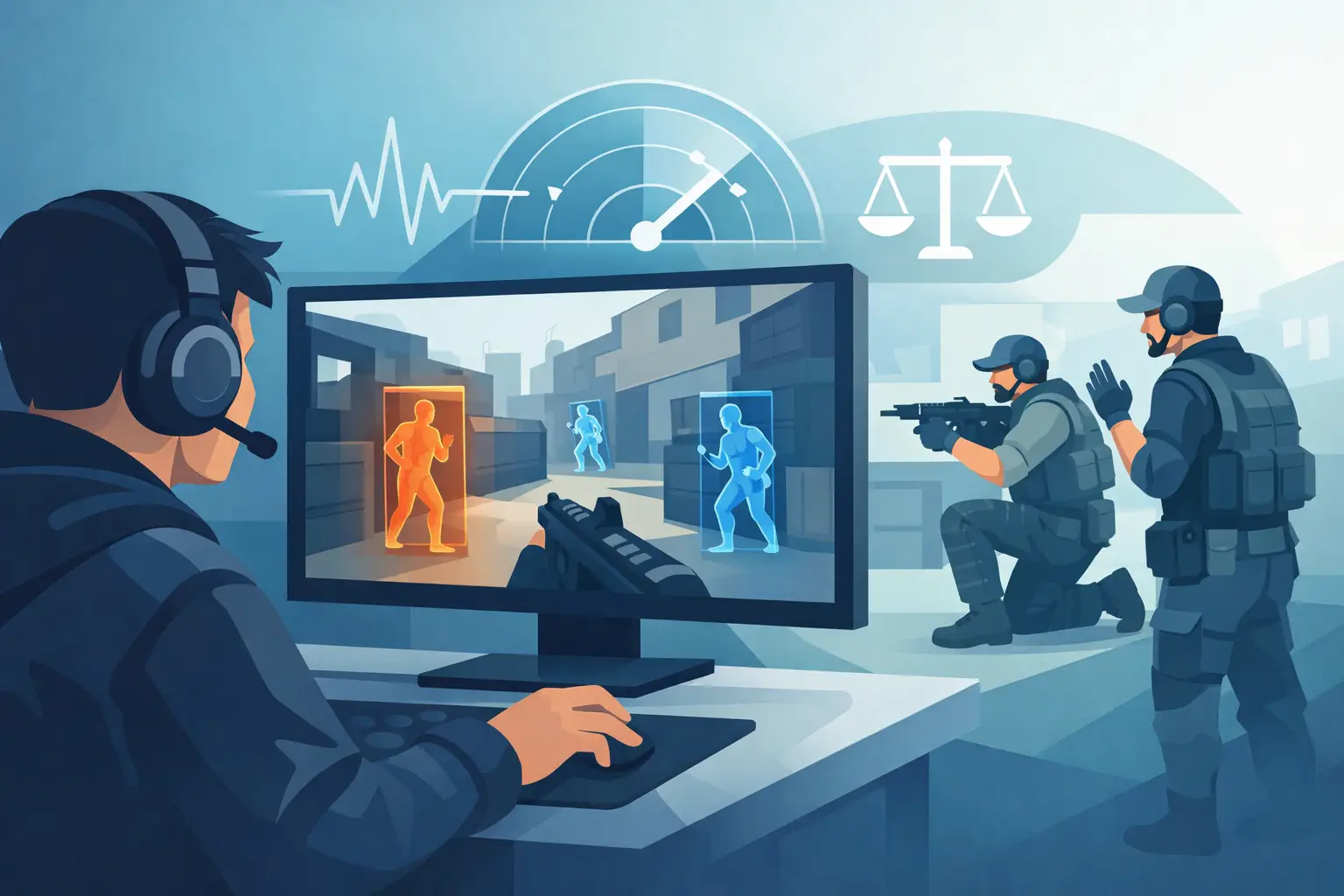
If you are rage cheating in obvious ways, you are creating two problems at once. First, you increase player reports. Second, you create patterns that stand out against normal behavior. Extreme stat jumps, impossible movement, nonstop aimbot locks, or obvious ESP tracking can put attention on your account even if the software itself is currently undetected.
The smarter move is controlled use. Keep feature use proportional to the game mode and lobby context. Do not stack every option just because it is available. Use what you need. Turn off what you do not. A cleaner profile is often more valuable than max power.
That trade-off matters. If your goal is pure chaos, safety drops. If your goal is progression, grinding shortcuts, or subtle advantage, your margin improves. It depends on how aggressive you want to be and how visible you make yourself.
Updates are not optional
A cheat that was safe last week can be a liability after one game patch. That is why maintenance is the whole game. Offsets change. Memory structures move. Anti-cheat gets adjusted. If your provider is slow, your risk goes up before you even notice it.
This is also why old builds should not sit on your system waiting for a random session. Use current versions only. If support says a product is under maintenance, wait. Players get impatient, force launch anyway, and then act surprised when they lose an account.
A decent provider will be clear when a tool is offline, updating, or ready. Respect that status. Online safety is not about forcing uptime. It is about timing your use around actual support coverage.
The safest setup is the one with the fewest variables
A messy PC environment creates problems. Multiple injectors, cracked trainers, leftover overlays, test drivers, and random utilities all increase uncertainty. If you are serious about online use, keep the system clean. Run what you need and cut the rest.
The same logic applies to account strategy. Many experienced users separate risk by account value. If you are testing a new build or using a feature set you do not fully trust yet, doing that on a main account is a weak move. Higher-value accounts deserve more caution, more patience, and less experimentation.
There is a cost trade-off here. Safer behavior can be slower and less fun in the short term. You may use fewer features, wait through maintenance windows, or keep separate accounts. But that discipline is exactly what reduces damage over time.
Safe online cheat guide for feature selection
Some features are naturally lower profile than others. Progression edits, money tools, unlock systems, and controlled stat changes can still carry risk, but they are often less visible than hard combat abuse in populated sessions. On the other hand, full rage aimbot use, teleport spam, noclip in front of a lobby, and grief-heavy actions raise your profile fast.
That does not mean stealth features are always safe and aggressive features are always doomed. Context matters. Some games monitor economy changes closely. Others get more heat from player reports than backend checks. The point is simple: match feature use to the game and current anti-cheat pressure.
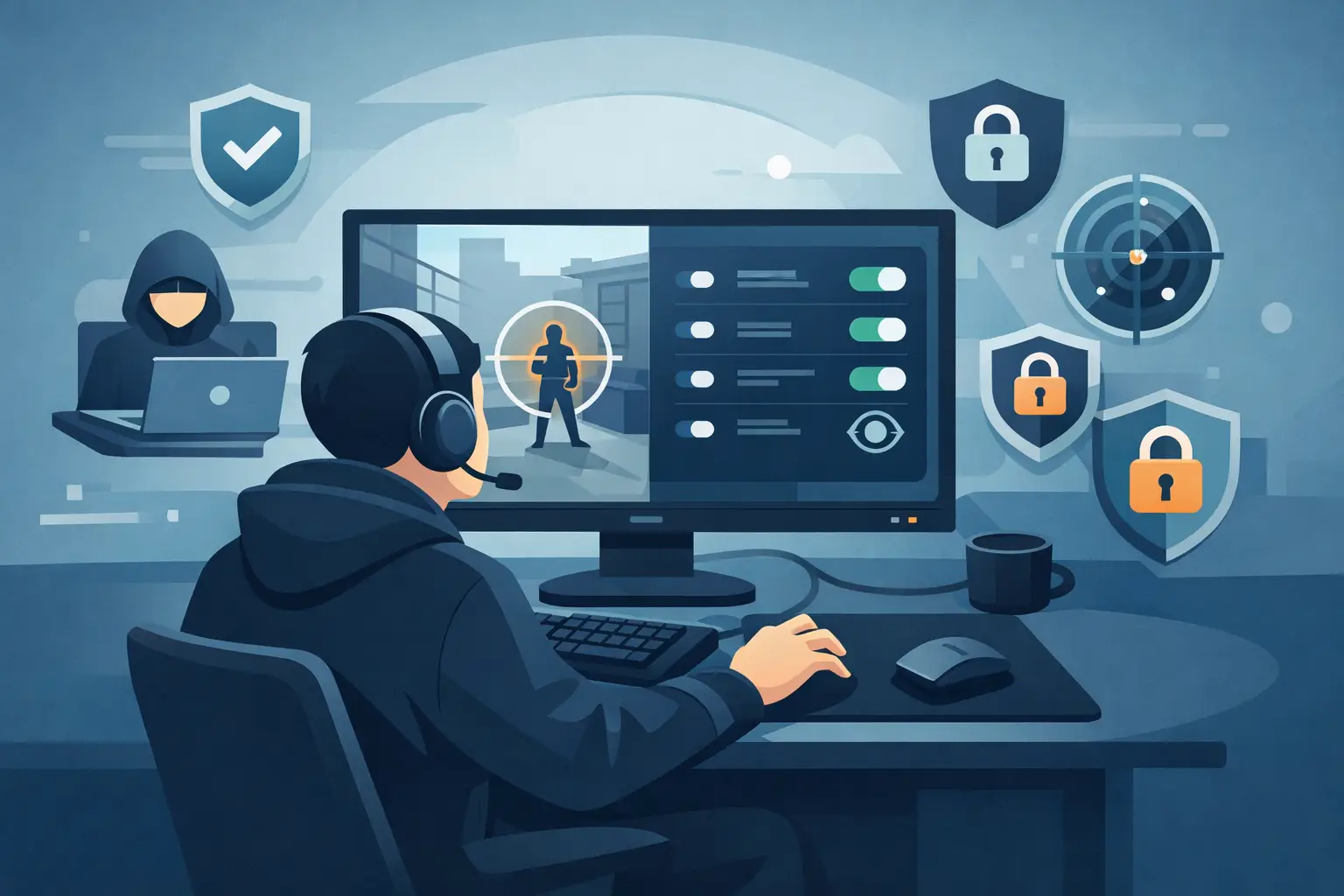
Good menus give you control for a reason. Use that control. If a menu lets you tune smoothing, FOV, visibility, or session-only actions, that is not filler. That is how you avoid running the most obvious version of every feature.
Choosing a provider in a crowded market
Most cheat markets are full of recycled builds, fake status claims, and sellers who care more about the first payment than the second month. That is a problem because online safety depends on continued support, not a single download.
A better provider is easy to spot. The offering is game-specific. The language is direct. The status is clear. The product is maintained. The loader is simple. The software is built for current anti-cheat reality, not nostalgia. DarkOffset fits that model by keeping the pitch simple - undetected, maintained, ready to inject.
That is what buyers should be looking for. Not hype. Not bloated promises. A maintained private tool is worth more than ten flashy public ones.
The only rule that holds up
Online cheating is never about being fearless. It is about being selective. Use maintained software. Respect update windows. Keep your setup clean. Stop playing like you want every lobby watching you.
If you want longer-lasting access, act like your account matters before it gets tested the hard way.