A cheat that worked before Tuesday’s patch can become a liability by Friday. That is the reality behind current anti cheat bypass trends: the contest is no longer about one detection check or one game update. It is a moving system of client scans, server-side validation, behavior analysis, account reviews, and enforcement waves.
For PC players, the useful question is not whether anti-cheat exists. Every serious online game has some version of it. The question is how quickly a title changes its detection surface, what actions it validates on the server, and whether a tool is being actively maintained for that specific game build.
Undetected is a status, not a permanent promise. Reliable use depends on maintenance, restraint, and understanding the game you are loading into.
Anti Cheat Bypass Trends: Detection Is Now Layered
Older anti-cheat systems were often judged by a simple standard: could they identify an unauthorized process or altered game file? Modern systems still look for those signals, but the serious platforms do far more than one local scan.
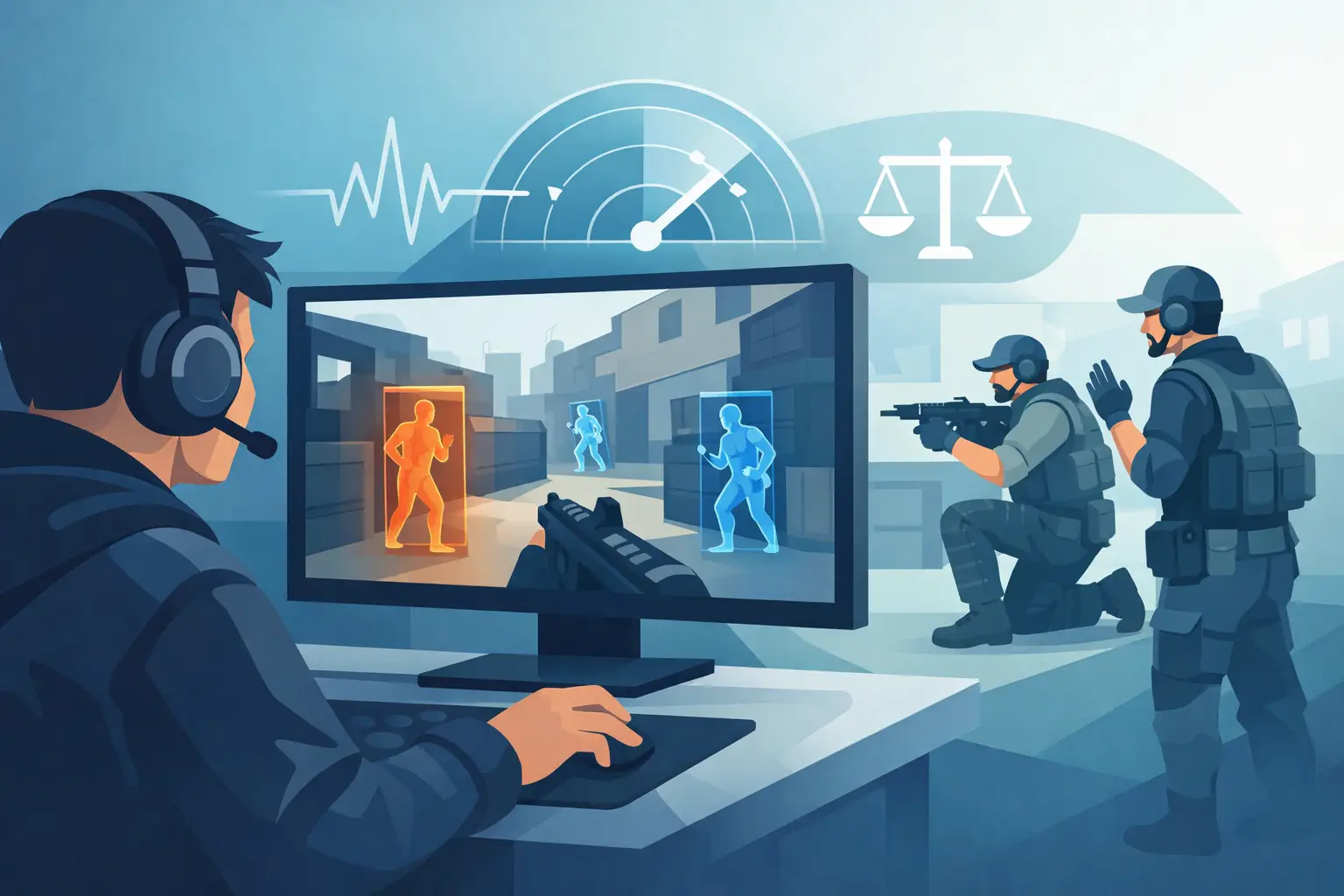
They combine multiple layers. The game client may check its own integrity. The anti-cheat service may monitor suspicious program behavior. The server may reject impossible inventory changes, movement states, damage values, or progression events. Account systems can connect reports, match history, device signals, and repeated abnormal behavior over time.
That shift matters because a feature can be technically available while still creating obvious server-side evidence. A player may avoid one form of local detection yet trigger another system through impossible actions in a live session. Anti-cheat enforcement is increasingly about the full pattern, not a single moment.
This is especially visible in competitive shooters, racing games with online economies, and survival titles with persistent multiplayer worlds. The more valuable the rank, economy, or progression system, the more likely the developer is to validate it beyond the player’s PC.
Faster Patches Change the Value of Maintenance
The biggest trend is speed. Game studios are shipping hotfixes more frequently, while anti-cheat providers can update rules without waiting for a large content patch. A tool that is current at launch may need attention after a minor backend change.
That is why maintenance has become the real product. A custom loader, game-specific testing, version checks, and clear status communication are not cosmetic extras. They are the difference between software built for a current build and software that was abandoned after release.
Players should be skeptical of permanent language. No provider can honestly treat a live-service game as frozen. The environment changes whenever a developer modifies the executable, adjusts telemetry, changes a network check, or introduces a new anti-cheat module.
For lower-profile single-player and niche PC releases, the update cycle can be slower. That does not automatically mean zero risk, especially when cloud saves, leaderboards, achievements, or connected features are involved. It means the threat model is different. A local trainer for an offline save is not the same situation as a multiplayer mod menu affecting other users.
Server Authority Is Redrawing the Line
Client-side edits remain common because the game running on a player’s machine controls visuals, inputs, and parts of local state. But developers are steadily moving high-value decisions to the server.
Money, XP, unlocks, item ownership, matchmaking ratings, race results, and mission rewards are increasingly checked remotely. When a server owns the final decision, changing what the client displays does not always change what the account receives. More importantly, attempts to force impossible outcomes can leave an audit trail.
This creates a practical split between features. Visual information tools, local quality-of-life functions, and offline utilities may interact with a game differently than progression edits or high-impact multiplayer actions. It depends on the title, its architecture, and whether the session is truly offline.
Forza-style progression systems and open-world economies deserve particular caution. Large jumps in currency, unlock activity, or event rewards can be easier to review than normal gameplay. The same applies to survival games where impossible item stacks, rapid crafting, or unusual player movement can stand out in shared servers.
The point is simple: capability is not the same as discretion. Powerful settings require player judgment.
Behavioral Detection Is Becoming More Relevant
Not every enforcement decision starts with a file signature. Some begin with behavior that does not look human or does not fit the game’s rules.
Competitive titles can analyze accuracy patterns, reaction timing, target tracking, movement consistency, and match-to-match performance changes. Multiplayer games can flag disruptive activity, repeated kicks, abnormal teleport behavior, impossible combat outcomes, or a sudden cluster of player reports.
Behavioral systems are imperfect. Strong players can look suspicious, and false positives are a real concern. Still, the direction is clear: anti-cheat teams increasingly have more data than a single match replay. They can compare a player’s actions against broader population patterns and review events over time.
That makes loud use a poor strategy. Features intended to dominate a lobby, ruin another player’s session, or produce impossible results invite reports and scrutiny. Even when software status is current, reckless behavior can create a separate enforcement path.
Stealth is partly technical. It is also operational.
Account Enforcement Has Become the Bigger Cost
A ban is no longer always limited to one game session. Depending on the publisher and title, enforcement can affect ranked access, online services, inventories, connected accounts, purchased content, or future participation in the game’s ecosystem.
This is why players should separate disposable experimentation from accounts they have spent years building. There is no universal risk level. An offline sandbox game with a local save has a different profile from a flagship competitive release tied to a long-term account, premium currency, and ongoing seasonal progression.
Before using any game enhancement software, check the game mode, the current product status, and the developer’s enforcement history. If the game’s appeal is its online economy, ranked mode, or persistent social world, the downside of a bad decision is higher.
A clean workflow also matters. Avoid outdated builds, random reposts, and tools with no clear maintenance record. A polished loader cannot eliminate risk, but it can reduce the technical friction that causes users to run the wrong version or ignore a status change.
What Players Should Watch Next
The next phase of anti-cheat will likely be less visible, not more. Expect more backend validation, more rapid rule updates, and more focus on connected account behavior. Developers are also under pressure to protect legitimate players without making the PC experience unstable or invasive, so the balance will continue to shift title by title.
For cheat users, that means generic claims matter less than game-specific reality. Ask whether the software is maintained for the exact game and current build. Know which features affect only local play and which touch a server-controlled system. Treat status updates seriously. Do not confuse a quiet release period with permanent safety.
For providers, the standard is equally clear: accurate status reporting, fast maintenance, disciplined testing, and no fantasy promises. Players can accept that live games change. What they will not accept is being left with outdated software after a patch.
The Practical Standard: Current, Controlled, Game-Specific
The strongest signal in this market is not the longest feature list. It is control. A game-specific tool that is current, clearly scoped, and used with restraint is easier to evaluate than a vague all-in-one claim built around hype.
Anti-cheat systems will keep adapting because developers have strong reasons to protect competitive integrity, player economies, and online communities. Enhancement software will keep adapting because players want more control over how they experience PC games. Neither side is standing still.
Choose based on current information, not old screenshots or permanent promises. Check the build, understand the mode, and keep the risk level aligned with what the account is worth to you.