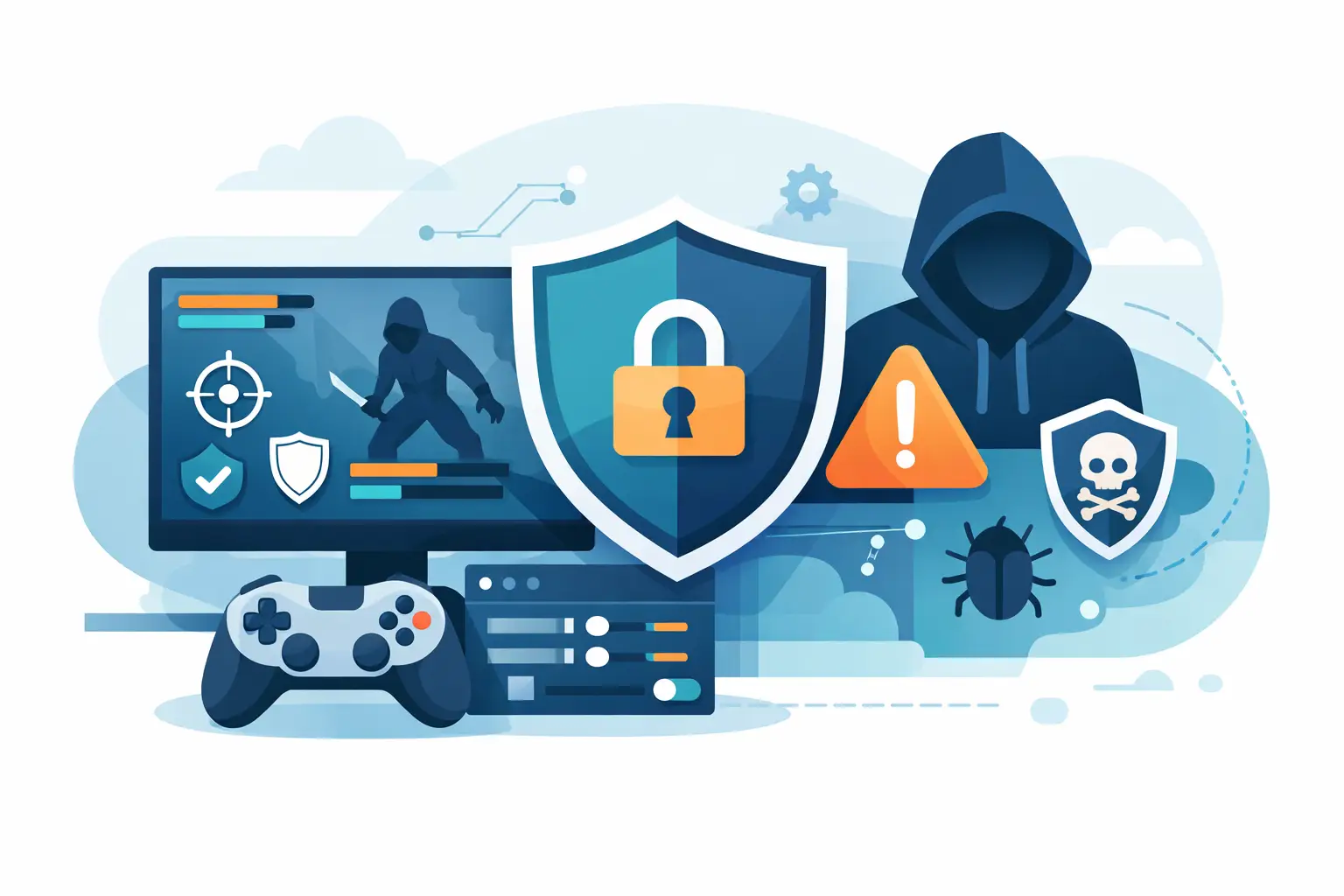
The wrong trainer does not usually fail in a dramatic way. It fails quietly. A sketchy file asks for admin access, disables your AV, injects into the wrong process, or works once and gets you flagged a week later. So if you are asking are game trainers safe, the real answer is not yes or no. It depends on what the trainer is, where it came from, how it loads, and whether you are using it in a game with active anti-cheat.
Are game trainers safe in general?
Game trainers are just software. That means they are not automatically safe or unsafe. A clean trainer from a maintained provider can run fine for a long time. A free public release from a random forum can be packed with malware, outdated offsets, broken injections, or obvious detection vectors.
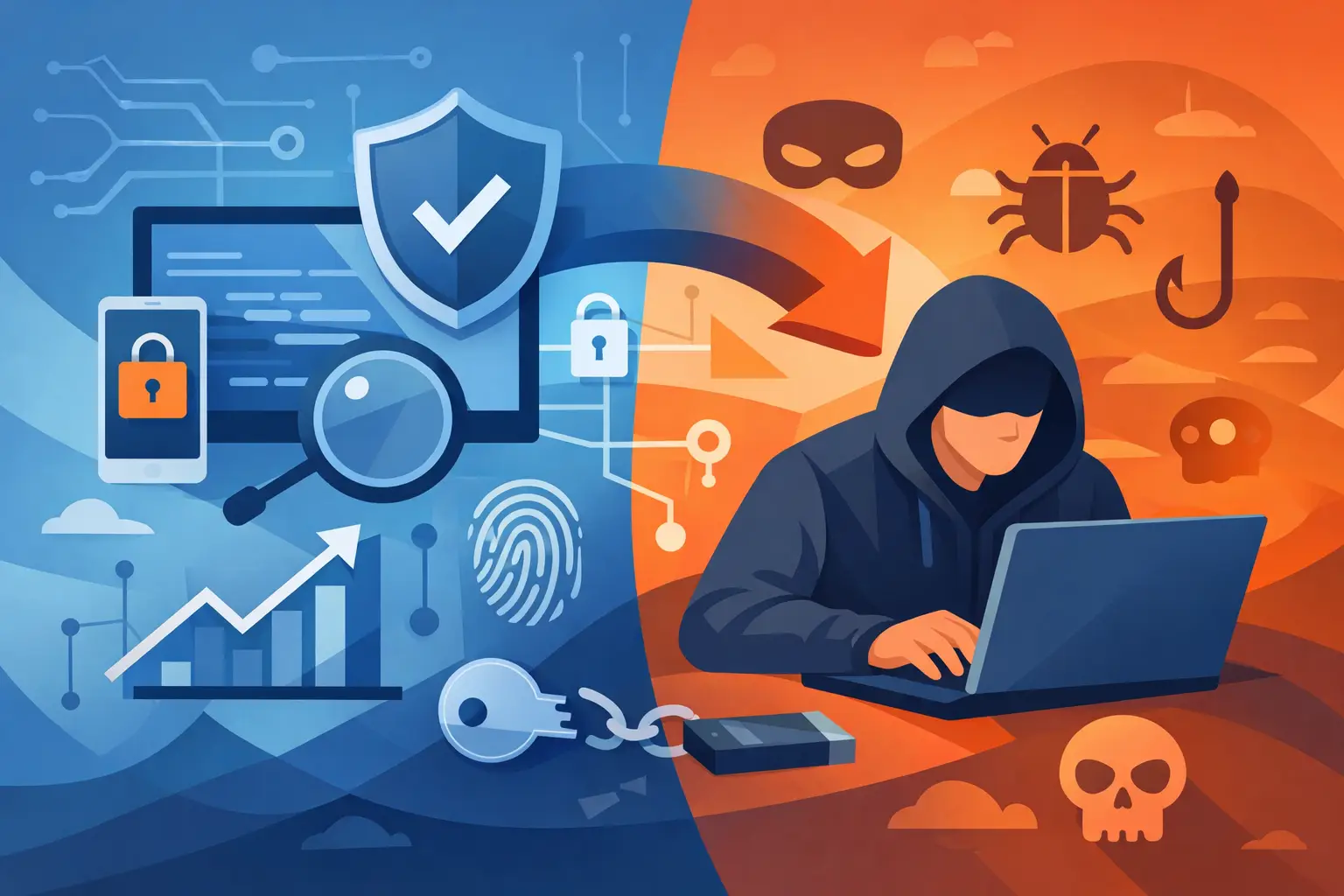
Most players asking this question are really asking about three separate risks. First, system risk - malware, spyware, keyloggers, crypto miners, and junk bundled into the file. Second, account risk - bans, shadow flags, anti-cheat detections, and server-side stat checks. Third, stability risk - crashes, corrupted saves, broken game files, and bad memory writes.
If you mix all three together, the discussion gets sloppy fast. A trainer can be clean on your PC and still be terrible for online use. It can also be low detection but badly coded and unstable. Safe means different things depending on what you care about most.
The real risks behind game trainers
The biggest mistake is treating all trainers as the same product category. They are not. A polished private trainer with a custom loader, active maintenance, and game-specific updates is operating in a completely different lane than a recycled free cheat downloaded from a mirror site with ten fake buttons.
Malware risk is highest with public downloads and reposted files. If the source is anonymous, if the file hash changes constantly without explanation, or if the trainer is bundled in a fake installer, you are already in bad territory. A lot of users get burned because they focus only on features like god mode, XP editing, unlocks, or ESP, and never ask who built the file or how it is being delivered.
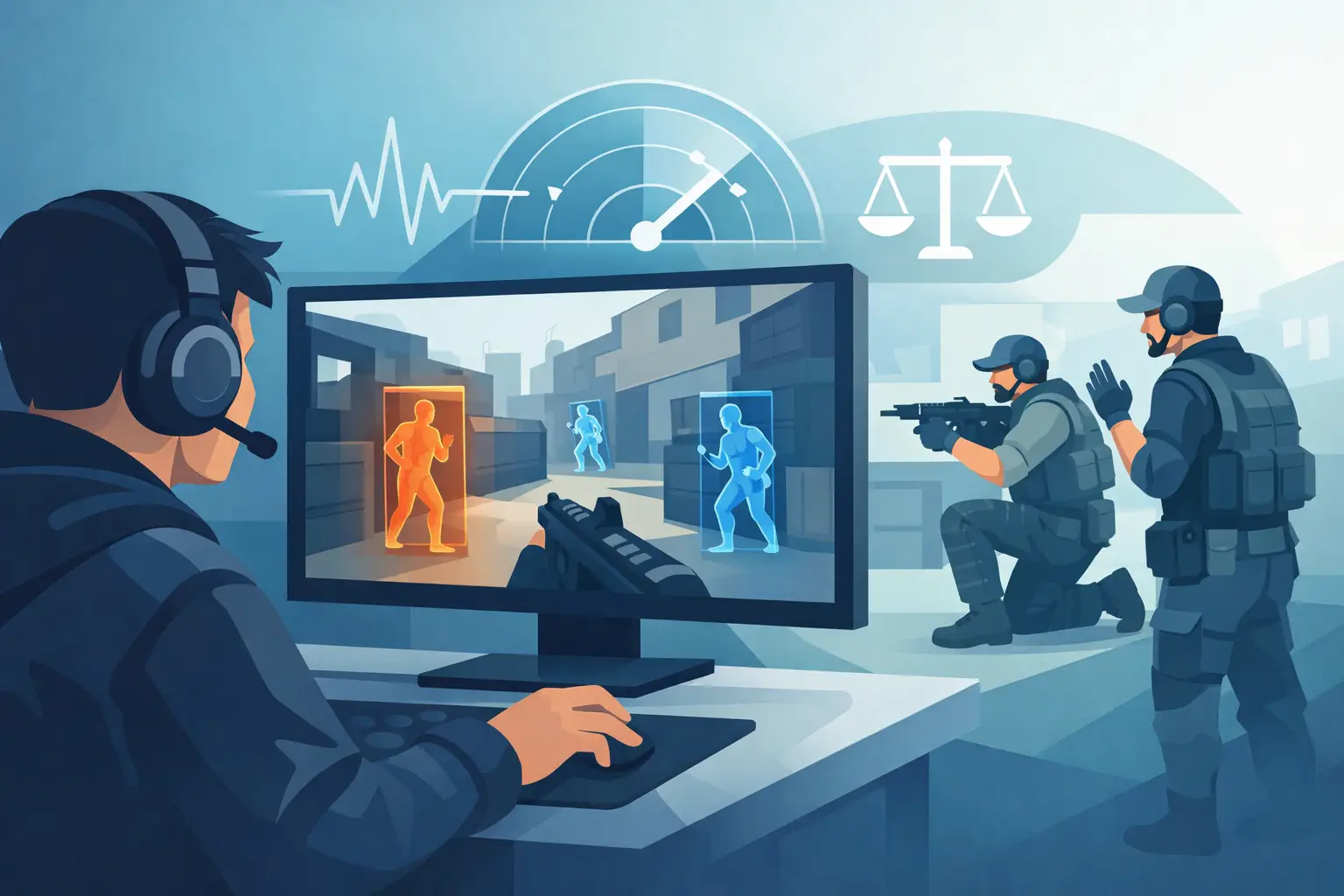
Detection risk is different. Anti-cheat systems do not care whether a trainer looks professional. They care about behavior, signatures, injection methods, handle access, memory patterns, driver activity, and weird process chains. If a tool is outdated or public enough to be heavily analyzed, your odds get worse. This is why maintained trainers matter. Anti-cheat changes. Game builds change. What worked last month can be noisy now.
Then there is the issue of game type. A single-player trainer used offline is one thing. A multiplayer cheat touching protected game memory is another. If you are editing currency, movement, unlocks, or combat values on a live service title, safety drops fast unless the provider actively manages detection risk and the feature set is built with that specific game in mind.
How to tell if a trainer is safer
A safer trainer usually looks boring from the outside. The provider is consistent. The loader is standardized. Updates happen when the game updates. The product page tells you what game version it supports. The tool does not ask you to turn your system into an open door just to launch it.
Watch for signs of maturity. Does the provider maintain a custom loader instead of tossing out raw files? Do they separate game products instead of pretending one universal cheat works everywhere? Do they update around anti-cheat changes? Do they talk in technical terms that make sense, or is it all hype with no operational detail?
Good providers also understand that safety is partly about reducing user error. A streamlined inject workflow matters because most bad outcomes happen when users improvise. They inject too early, into the wrong process, on the wrong build, while overlays and conflicting tools are running. A proper loader reduces that friction.
That does not make any trainer risk-free. It just means the risk is being controlled instead of ignored.
Free vs paid trainers
This is where people like to pretend price does not matter. It does.
A paid trainer is not safe just because it costs money. Plenty of overpriced junk exists. But private paid tools are more likely to have ongoing maintenance, version support, controlled distribution, and a reason to stay undetected. Public free trainers spread fast, get analyzed fast, and get detected fast. They also attract repacks, fake uploads, and malware clones.
When a provider runs a subscription model, that usually means one thing - they have to keep the product alive. If detections spike or the loader breaks, the business takes the hit. That incentive matters. In this market, maintenance is part of the product.
For players who want a simple download, inject, play workflow, this is usually the line between frustration and a clean session. The less manual setup required, the fewer chances you have to make a bad move.
Are game trainers safe for online games?
Usually, this is the real question.
For offline single-player games, trainers are generally safer because there is no live anti-cheat watching every abnormal call, no server checking progression spikes, and no reports from other players. You can still crash your game or corrupt a save if the tool is badly made, but the account risk is much lower.
For online games, safety becomes conditional. It depends on the anti-cheat, the game developer, the feature you use, how aggressive the injection method is, and whether the cheat is actively maintained. ESP in one title is not equal to currency editing in another. Aimbot use in a protected multiplayer environment is a completely different risk level than harmless stat edits in a lightly monitored co-op game.
That is why broad answers are useless. A tool that is fine in one title can be a terrible idea in another. Even within the same game, some features carry more exposure than others. Teleportation, noclip, anti-kick, item spawning, and unlock systems often create obvious behavioral patterns if the game tracks them server-side.
If a game is hot right now, anti-cheat attention is usually hotter too. Popular titles attract more reports, more backend tuning, and more cheat analysis. Anyone using a trainer in a major online release needs to think beyond whether the menu launches. The real question is whether the tool is current and whether the feature set is being used intelligently.
Red flags you should not ignore
If a trainer asks you to disable every security layer on your machine with no explanation, that is a red flag. If the provider has no update history, no clear compatibility notes, and no sign of anti-cheat awareness, that is another. If the only proof is a recycled screenshot and a comment section full of bots, move on.
Be careful with “all-in-one” cheats claiming support for dozens of games with no version notes. Be careful with cracked premium tools, because cracks are one of the easiest ways malware gets distributed in this space. Be careful with communities that treat detections like user error every single time. Sometimes the tool is just burned.
Another bad sign is poor product discipline. Random UI changes, inconsistent launch steps, missing injection instructions, and vague wording like “probably safe” usually tell you the backend is just as sloppy.
What safe use actually looks like
If you decide to use a trainer, safe behavior is still your job. Use the correct game version. Follow the intended launch order. Avoid stacking multiple injectors, overlays, and debuggers. Keep your OS and drivers stable. Back up saves if the title stores progression locally.
For online use, discipline matters even more. Not every feature should be spammed just because it is available. Hard edits, impossible progression jumps, and visible griefing behavior get attention fast. The strongest setup in the world still looks weak if the user plays recklessly.
This is where a maintained private provider has an advantage. Better loaders, cleaner injection flow, and current game support reduce exposure. On titles with active anti-cheat and a big player base, that gap matters. For something heavily watched and popular, like a fresh Forza release, the difference between a maintained menu and a random public cheat is not small. It is the whole game.
DarkOffset builds around that reality - controlled delivery, current support, and tools made to stay usable instead of burning out on day one.
So, are game trainers safe?
They can be. But “safe” is earned, not assumed.
A trainer is safer when the source is credible, the loader is controlled, the product is maintained, and the game-specific risk is understood. It gets less safe when the file is public, outdated, badly distributed, or used carelessly in a protected online environment. That is the trade-off. Power is easy to sell. Stability and stealth are harder.
If you are going to run a trainer, think like someone protecting a system and an account, not like someone chasing the fastest download. The cleanest choice is usually the one that looks the most disciplined.