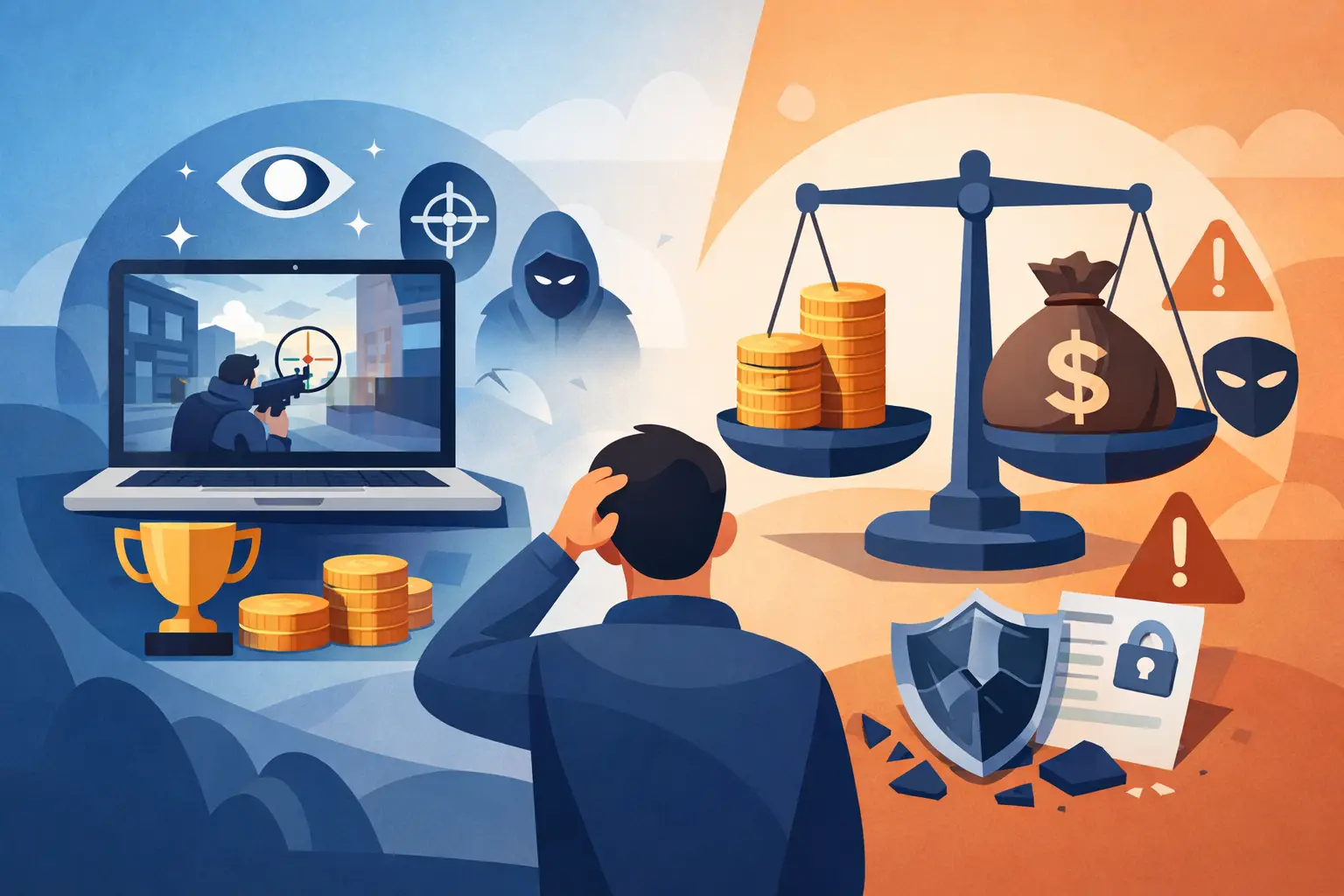
A $10 monthly tool can look like a cheap shortcut until it costs a full game library, a primary account, or access to a community you have spent years building. So, are private cheats worth it? The answer is not just about whether a menu loads or whether a feature works for one session. It comes down to what you are buying, what you are risking, and whether the claimed advantage survives contact with the game’s rules.
Private cheats are often sold on one clear promise: better access, fewer users, faster updates, and less exposure than a free public release. That can sound convincing if you are tired of broken downloads, fake installers, and tools that stop working after every patch. But paid access does not erase the core trade-off. It changes the price and the sales pitch, not the consequences of violating a game’s terms or another player’s experience.
What “Private” Actually Means
In this market, private rarely means truly private. It usually means access is gated behind a payment, a membership, an invite, or a limited customer base. The software may be less widely distributed than a free download, and its developer may update it more often. Neither fact makes it invisible, permanent, or consequence-free.
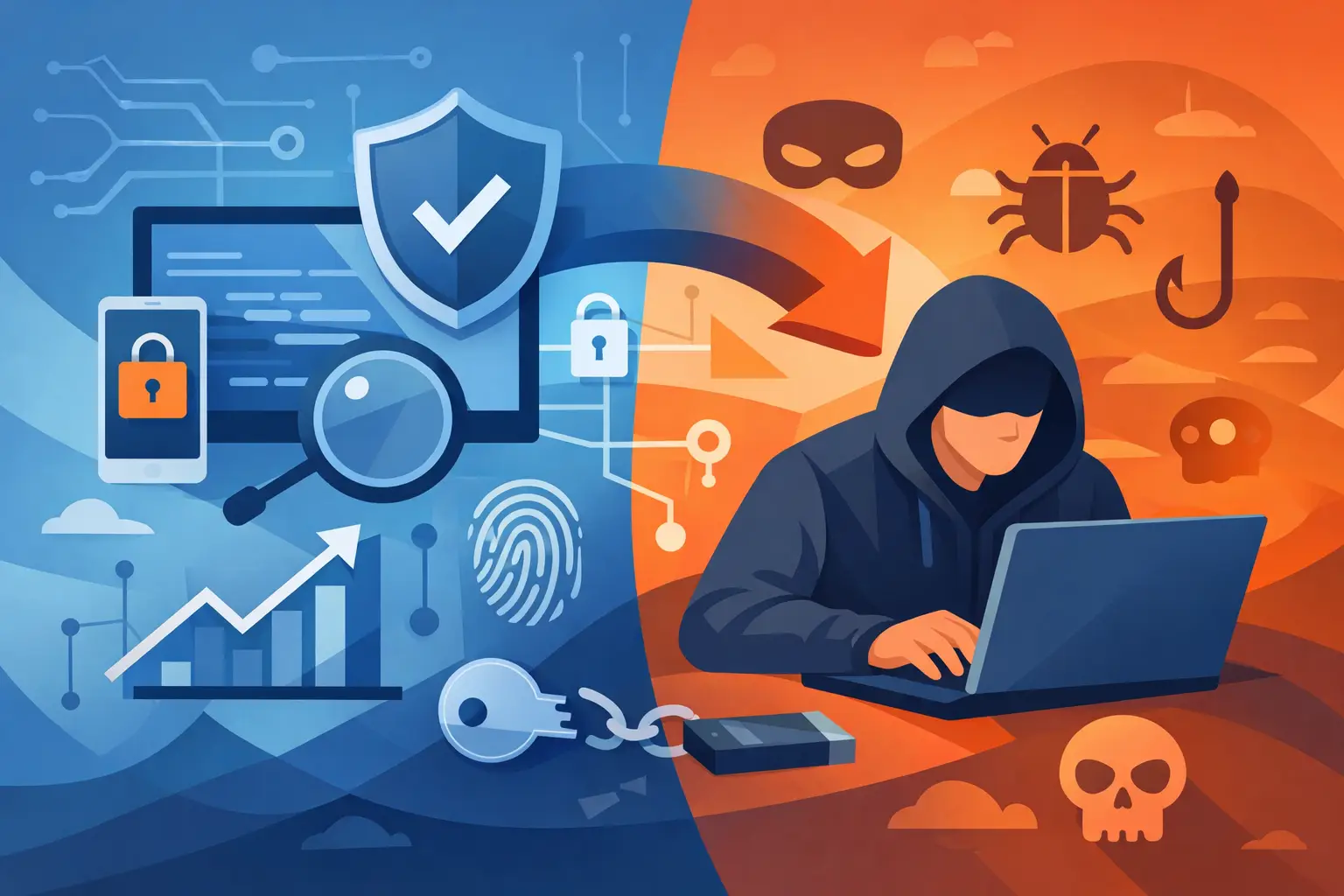
A private tool can still be detected through server-side behavior, client integrity checks, reports, statistical anomalies, or changes to an anti-cheat system. Aimbot-like precision, impossible movement, manipulated progression, repeated account patterns, and abnormal inventory changes can all create a trail. The claim that a tool is “undetected” is a point-in-time marketing statement, not a lifetime guarantee.
That distinction matters most in games tied to a long-term account. Losing a throwaway profile is one thing. Losing purchased games, cosmetics, achievements, tournament access, social connections, or platform standing is another. A private subscription is never a substitute for reading the rules attached to the account you are using.
Are Private Cheats Worth It for Your Situation?
The most honest answer is: sometimes people see value in the convenience, but the risk profile can make the purchase a bad deal. The calculation changes based on the game mode, the account, and the reason you want the tool in the first place.
For offline, single-player experimentation, the practical need is usually lower. Many games already support difficulty settings, accessibility options, mods, save backups, sandbox modes, console commands, or official creator tools. Those options may not deliver every feature a cheat menu advertises, but they avoid turning a personal playthrough into an account-security gamble.
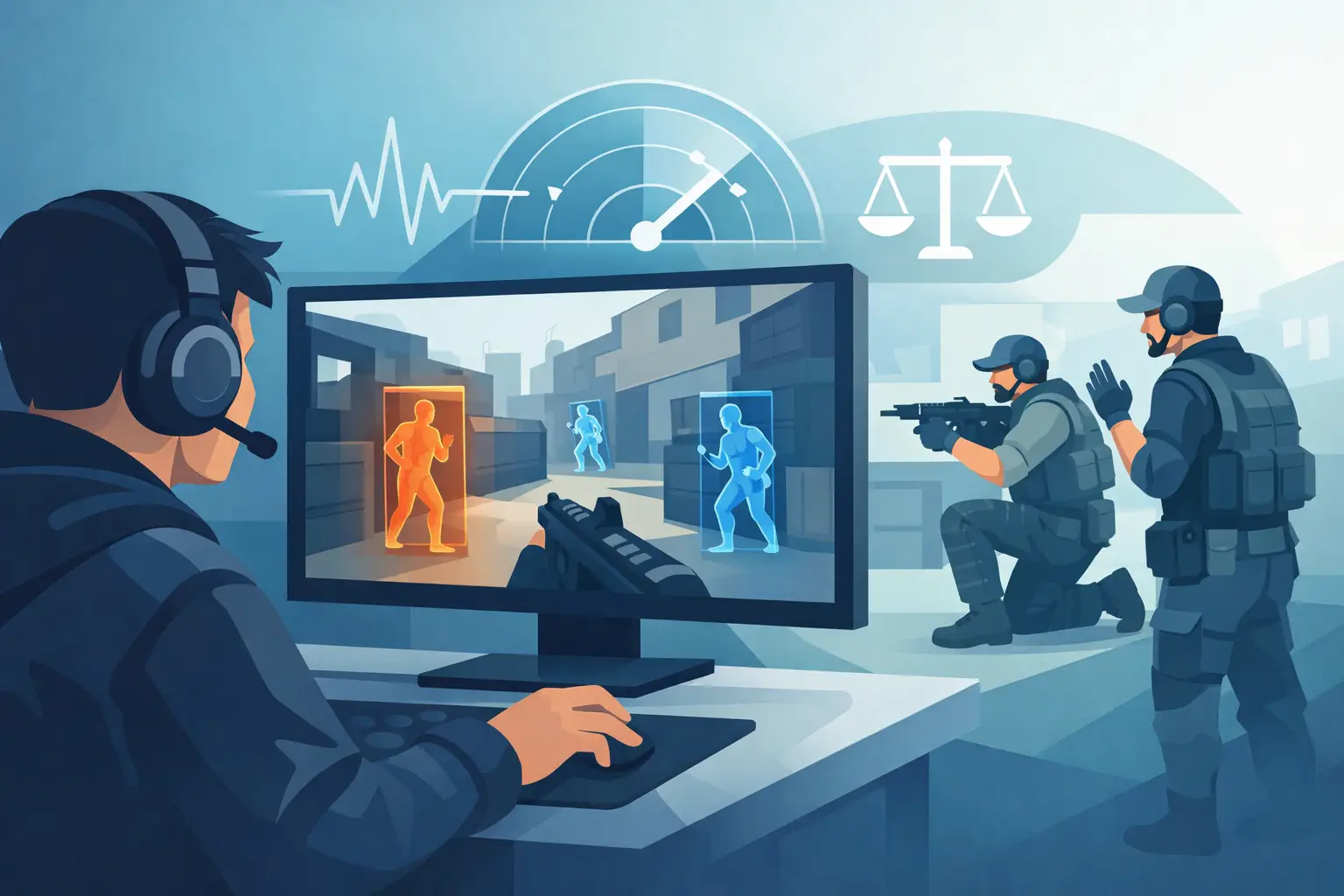
For competitive or shared online games, the downside is much sharper. An advantage obtained by altering aim, information, movement, progression, or matchmaking does not stay private. It affects other players, damages the match, and can lead to reports or enforcement. Even if no ban appears immediately, that does not mean the account is safe. Enforcement can be delayed, and game publishers can change their detection methods without warning.
If the goal is fast progression, ask a more direct question: will the shortcut make the game better after the first hour? Editing money, XP, unlocks, or items can remove the friction that makes a progression system satisfying. Some players enjoy the brief novelty. Others end up with a completed inventory and no reason to keep playing.
The Price Is More Than the Subscription
The advertised monthly price is the smallest part of the purchase. There is also the opportunity cost of paying for access that can disappear after a game update, a developer dispute, a payment issue, or a platform ban. Subscription products depend on ongoing maintenance. When maintenance stops, the value can vanish overnight.
Privacy is another cost. Unofficial software commonly asks for elevated permissions, security exclusions, device identifiers, or credentials tied to a customer panel. That does not automatically mean every seller is malicious. It does mean buyers should treat the request as high-risk by default. Software that has deep access to a gaming system can also access valuable personal data if it is poorly designed or compromised.
Payment information deserves the same caution. A storefront may look polished while its data handling, refund process, chargeback policy, and support practices remain unclear. If a seller will not clearly explain what is collected, how long it is retained, and how account problems are handled, that is a signal to stop rather than a reason to hurry.
The Reliability Test Most Buyers Skip
“Updated” and “working” are not enough. Reliability is about how a product behaves when conditions change: a new game build, a server-side adjustment, a loader error, a false positive, or a support request after payment.
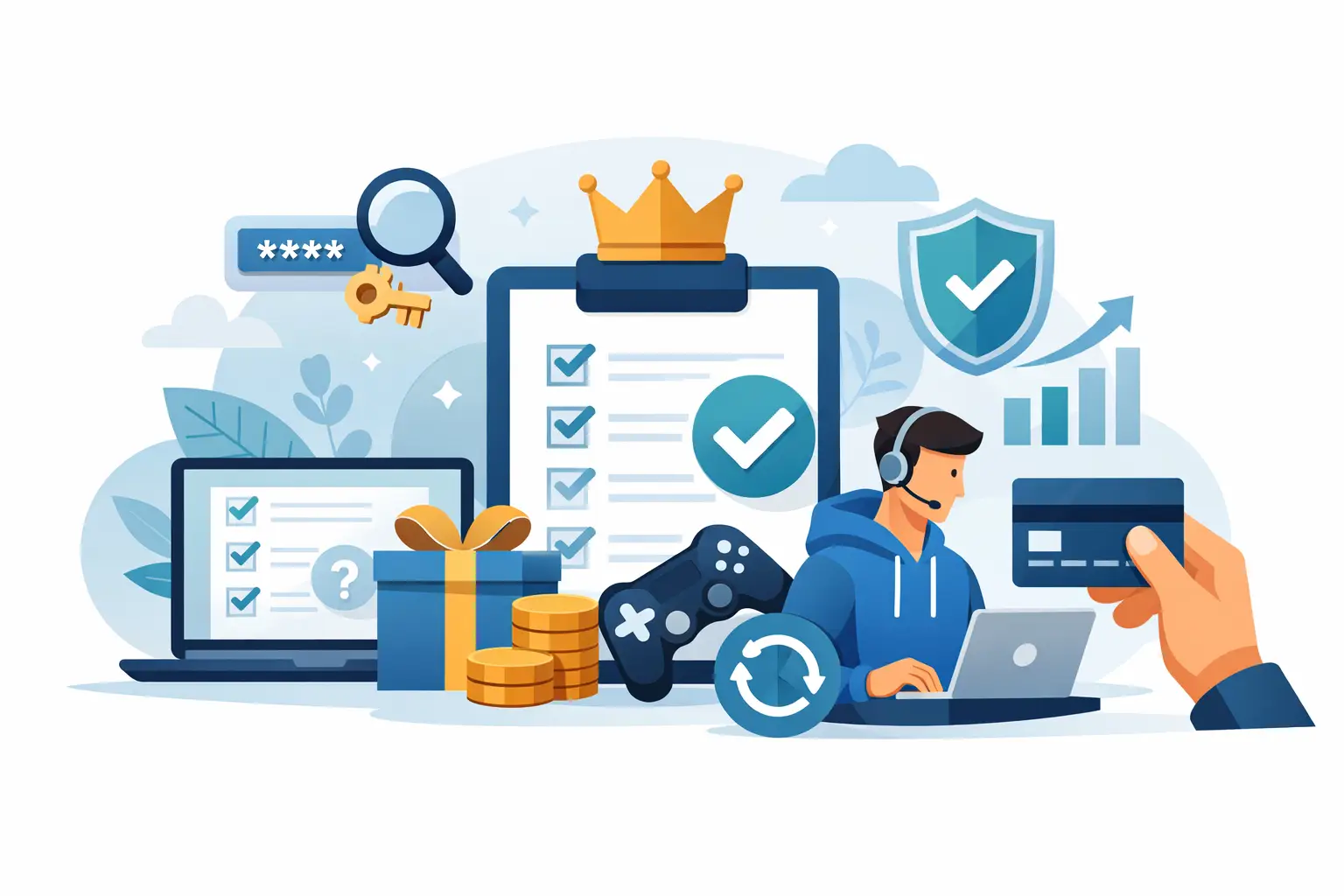
Before spending money on any unofficial gaming software, evaluate it like software that could affect your computer and your account. Look for clear, current documentation, transparent terms, a realistic support channel, and a privacy policy that says more than generic promises. Be skeptical of permanent safety claims, fake urgency, copied testimonials, and feature lists that sound unlimited.
There is a useful rule here: the more aggressively a seller promises zero detection, zero risk, and instant results, the less credible the claim becomes. Anti-cheat systems evolve. Game patches break tools. Sellers can overstate what they know. No amount of branding changes those facts.
Do not assume a small user base solves the problem either. Less exposure may reduce attention in some cases, but it does not prevent behavioral detection or player reports. It also creates a different weakness: a small operation may have limited support, limited testing, and no ability to recover your account if something goes wrong.
Convenience Versus Control
The appeal of a loader-based product is easy to understand. Download, run, choose features, and play. For less technical users, that is far more tempting than learning mod installation, configuration files, or game-specific commands.
But convenience should not be confused with control. The moment you run software outside a trusted game ecosystem, you are handing control to code you did not write and cannot fully audit. You may be trusting it with system access, game files, network activity, and account-adjacent information. That is a serious trade for a temporary in-game advantage.
Players who want more control have safer routes. Use official mod support where it exists. Keep mods to offline modes when a title’s rules require it. Use separate local saves before experimenting. Look for accessibility settings, training modes, community servers with clear rules, and legitimate tools that do not put accounts or other players at risk. The feature list may be smaller, but the control stays with you.
A Better Decision Standard
Do not judge a private cheat by its screenshots, menu design, or the biggest feature on its sales page. Judge it by the worst plausible outcome. Could you accept losing the account? Could you accept compromised personal data? Could you accept a subscription becoming useless after the next update? Could you explain the impact on other players if the tool changes an online match?
If any answer is no, the purchase is not worth it. The short-term advantage does not outweigh a result you cannot afford.
For players looking at a newly popular release such as Forza Horizon 6, that standard matters even more. New games receive rapid updates, their economies and online systems are closely watched, and enforcement practices can shift while the community is still growing. The excitement around a release can make shortcuts feel urgent. There is no need to rush a decision that can permanently affect an account.
The strongest setup is not the one that promises the most power for the least money. It is the one that lets you keep playing without worrying about bans, compromised devices, or a ruined experience for everyone else. Protect the account and the hardware first, then choose the kind of game experience you can enjoy without looking over your shoulder.