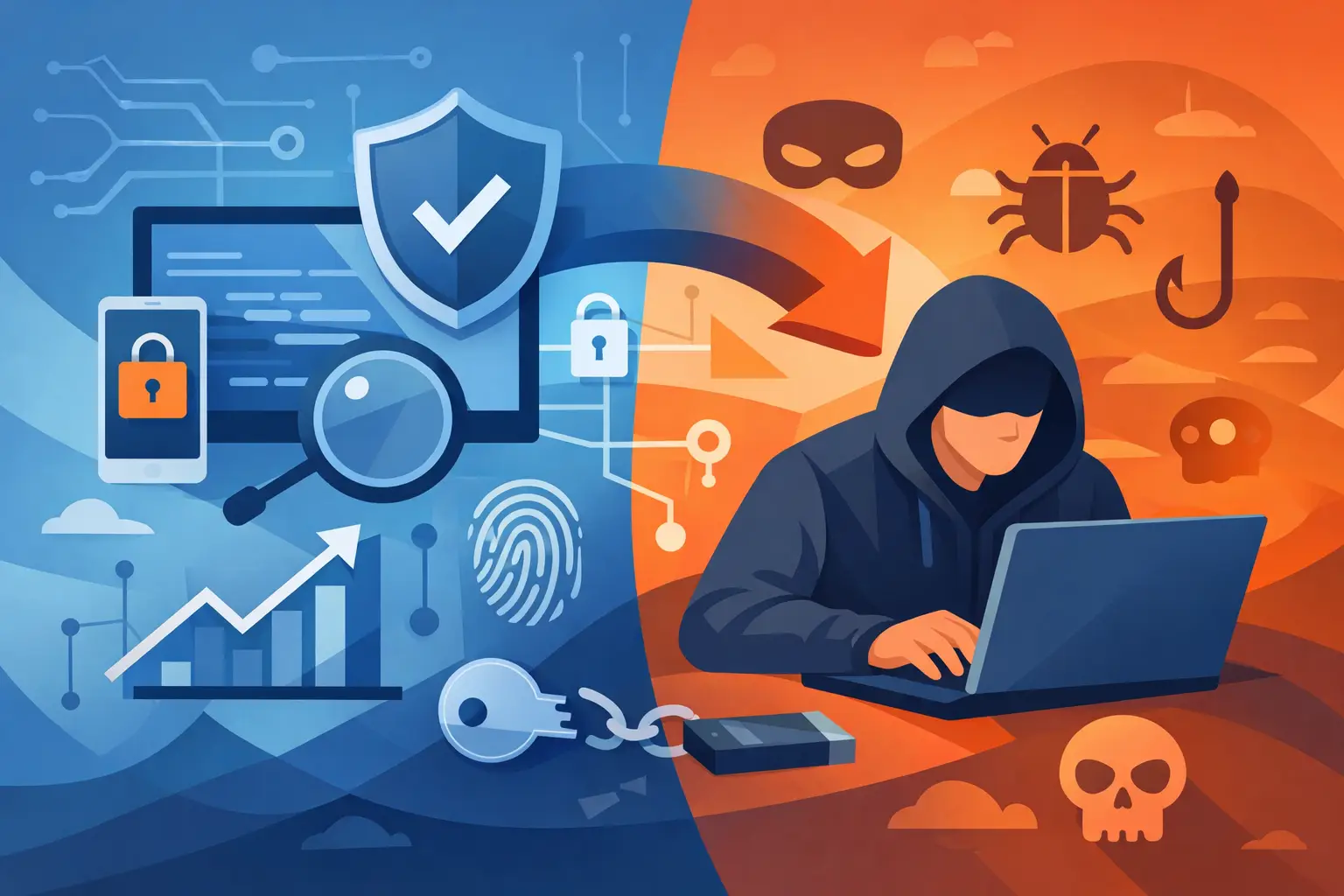
Cheap public menus get people flagged fast. Not because every feature is instant death, but because most users make the same bad calls - bad providers, bad timing, bad setup, and zero discipline once they inject. This mod menu safety guide is for players who want one thing: lower risk without wasting time on junk tools.
Safety starts before the download. Most bans do not begin in-game. They begin when someone grabs a random free build from a repost site, disables half their security stack, injects into a protected title, and assumes the menu is "undetected" because a Telegram post said so. That is not a system. That is how accounts get burned.
What a mod menu safety guide actually means
A real mod menu safety guide is not a promise that you will never be detected. Nobody serious says that. Anti-cheat changes, reporting systems change, and game updates can turn a stable setup into a problem overnight. Safety is about reducing exposure at every step - provider quality, loader design, update speed, feature use, account choice, and your own behavior.
That trade-off matters. The more aggressive the feature set and the more reckless the usage, the more visible you become. Single-player edits and controlled testing are one thing. Rage settings in active multiplayer lobbies are another. If you want longevity, you need restraint.
Start with the provider, not the feature list
Most buyers look at features first. Big mistake. A menu with ESP, unlocks, money editing, teleportation, noclip, and griefing tools means nothing if the build is poorly maintained. The first question is always whether the provider updates fast and controls distribution.
Private, maintained software is usually safer than public releases. Public tools spread too widely, get mirrored, get cracked, and attract immediate attention from anti-cheat teams and mass reports from players. A private loader-based product with active maintenance gives you a better baseline because updates can be pushed quickly and access stays tighter.
That does not mean expensive always equals safe. Some sellers overpromise and disappear after the first patch. What matters is consistency. You want a provider that treats detection risk like a maintenance problem, not a marketing line.
Loader quality matters more than most users think
A lot of users focus on the menu and ignore the injection method. That is backwards. The loader is part of the safety chain. If the injection process is messy, unstable, or dependent on weird manual steps, your risk goes up because user error goes up.
A custom loader with a clean workflow cuts out a lot of problems. Fewer manual edits. Fewer random files. Less guessing about injection timing. Better control over updates. That does not make a menu untouchable, but it reduces the number of ways a user can sabotage their own setup.
This is where polished products separate themselves from hobby-grade builds. Download, inject, play sounds simple because it should be simple. The more friction there is, the more room there is for mistakes.
Safe setup is boring. Good.
If your pre-launch process feels flashy, it is probably sloppy. Safe setup is routine. Clean OS. No random overlays you forgot about. No stack of abandoned cheat files from other providers. No injecting after a major game patch just because you are impatient.
Keep your system lean. Mixing multiple tools across different titles can create conflicts, crashes, and obvious instability. That kind of noise makes troubleshooting harder and can leave you guessing whether the issue is the menu, the game update, or your own machine.
Timing also matters. Right after a game patch is a bad time to force anything. If the title updates, assume the anti-cheat surface may have changed too. A maintained provider should test and push status updates before serious users go back in. If you inject blindly after every patch, you are doing anti-cheat QA for free.
Feature choice changes your risk profile
Not every feature carries the same heat. That should be obvious, but a lot of users still run every option at once and then act surprised when things go wrong.
Visual tools like ESP can still be risky, but they are often less disruptive than hard rage features that alter matches in obvious ways. Economy edits, unlock systems, and stat changes can be safe for a while, then become the exact thing a developer audits later. Teleportation, noclip, item spawning, anti-kick, and multiplayer griefing utilities create a different kind of problem - they get noticed by other players immediately.
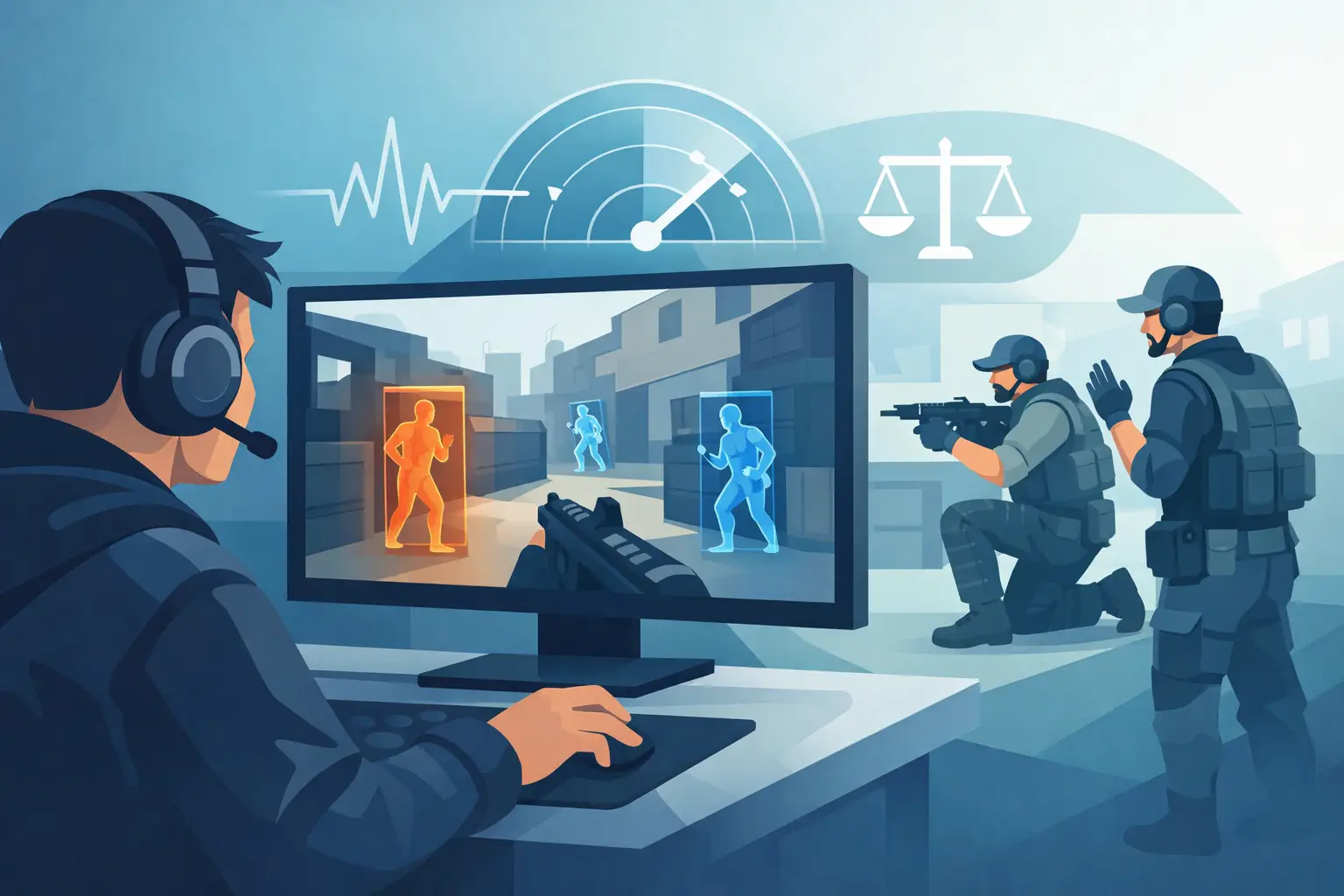
This is where self-control matters more than the menu. If you use features in ways that create reports, clips, and attention, your exposure jumps even if the software itself is stable. Detection is not always the only threat. Manual review and player reporting can put a spotlight on your account long before a signature hits.
For popular titles, that pressure is even higher. A game with a huge active player base, like Forza Horizon 6 right now, creates faster visibility. A strong menu helps. Reckless use still kills accounts.
Account strategy is part of the mod menu safety guide
If you care about your main account, act like it. The safest account is not always your oldest one or the one loaded with purchases. A lot of users know this and still take stupid risks because they get overconfident after a few clean sessions.
Use the right account for the right level of aggression. If you are testing a new build, trying newly added features, or jumping into online sessions after a fresh game update, your main should not be the test bed. That is common sense. Yet plenty of players ignore it until they learn the expensive way.
There is also a behavioral side to account safety. Do not suddenly go from average stats to impossible progression in one session. Do not create obvious patterns that look fake from a mile away. Gradual changes usually draw less attention than instant extremes. It depends on the game, but the principle holds.
Updates, downtime, and why patience keeps accounts alive
Users hate downtime. Serious users understand it. If a provider takes a product offline after a game patch or anti-cheat shift, that is usually a good sign, not a bad one. It means they are testing instead of pretending.
The worst mindset is entitlement. "I paid, so I am injecting now." That attitude gets people banned. Maintenance windows exist for a reason. A menu marked offline is not dead weight. It is risk management.
Good providers communicate status clearly. Better users listen. If the build is under review, wait. If support says hold off on a feature, hold off. You are not losing by missing a session. You are avoiding an avoidable hit.
Payment, downloads, and basic operational security
A surprising number of users obsess over anti-cheat and then do reckless things everywhere else. They download from mirrors, share loaders with friends, reuse leaked credentials, or store files in obvious places with zero organization.
Keep access private. Buy from the actual storefront. Use the official loader. Do not pass around builds, and do not trust repacks. Shared files and cracked versions are one of the fastest ways to end up with malware, broken injections, or a menu that is already burned.
The same goes for account handling. Separate your gaming login from weak or reused passwords. If a provider offers a structured, standardized purchase flow, that is better than dealing with random sellers in DMs. Predictability is safer.
DarkOffset leans into this for a reason - controlled delivery and maintained loaders reduce friction, and less friction usually means fewer user mistakes.
The biggest safety mistake is ego
Most bans are not caused by a lack of features. They are caused by users who think one clean week means permanent safety. Then they get loud. They overuse obvious functions. They stop watching update status. They test limits in crowded lobbies. They assume "undetected" means invisible.
It does not. It means the current build is holding. That status can change. Your habits need to stay tight even when the menu feels stable.
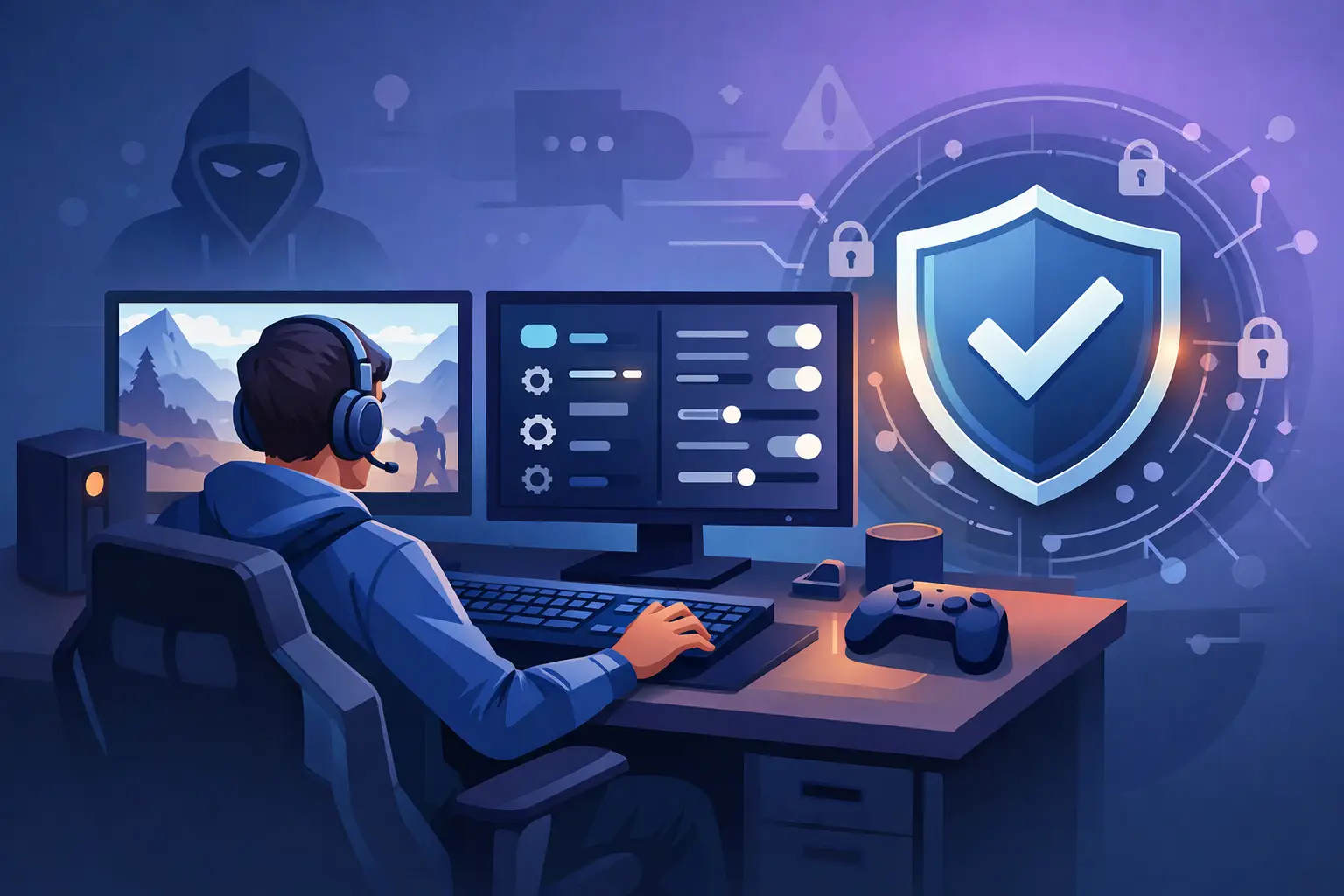
If you want the practical version of this mod menu safety guide, it is simple. Choose a maintained private provider. Use a proper loader. Stay off fresh patches until status is clear. Be selective with features. Keep aggressive testing off your main. Avoid obvious behavior. And do not let confidence turn into carelessness.
That last part is what keeps accounts alive. The safest users are not the loudest or the most technical. They are the ones who stay disciplined when everything seems to be working.