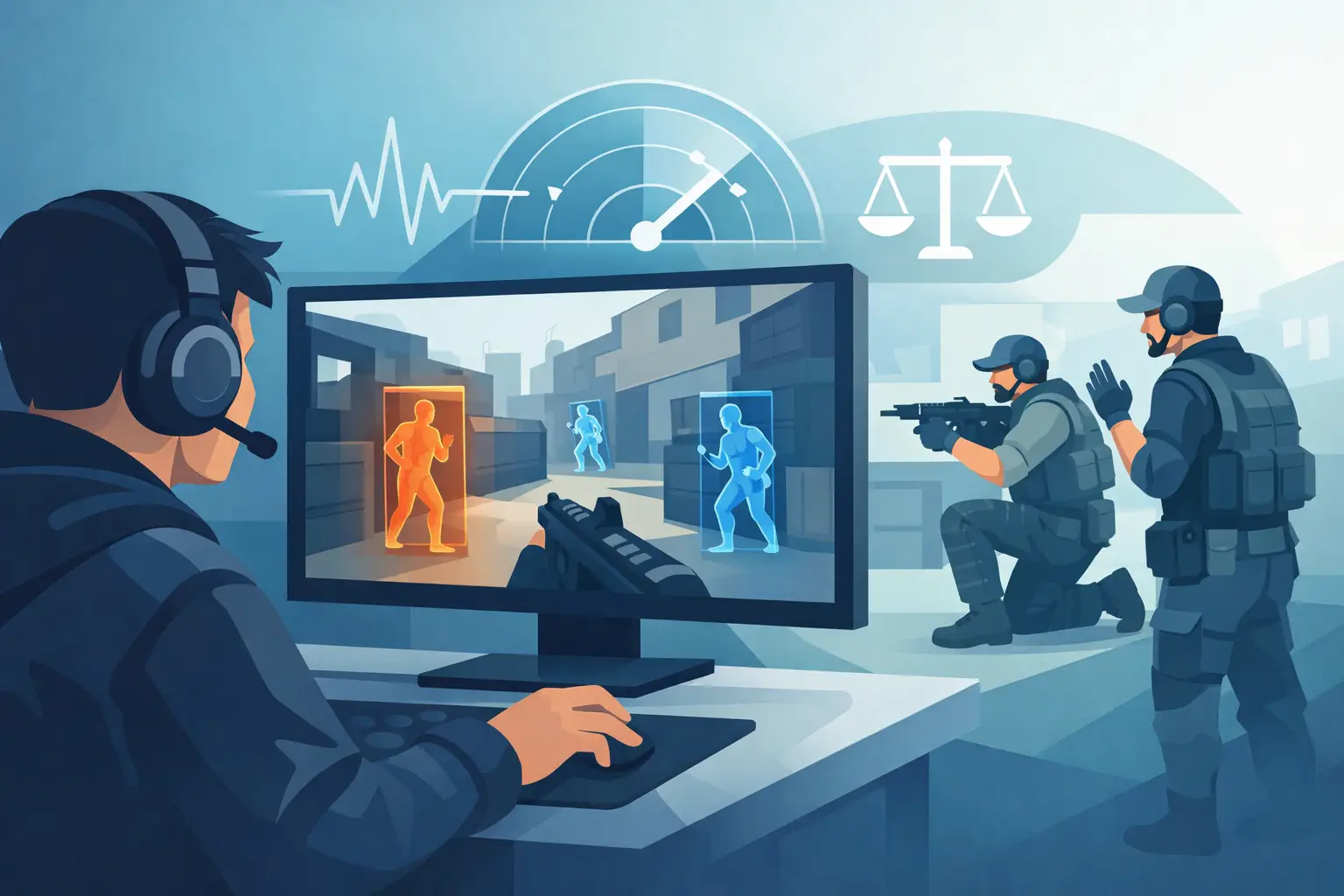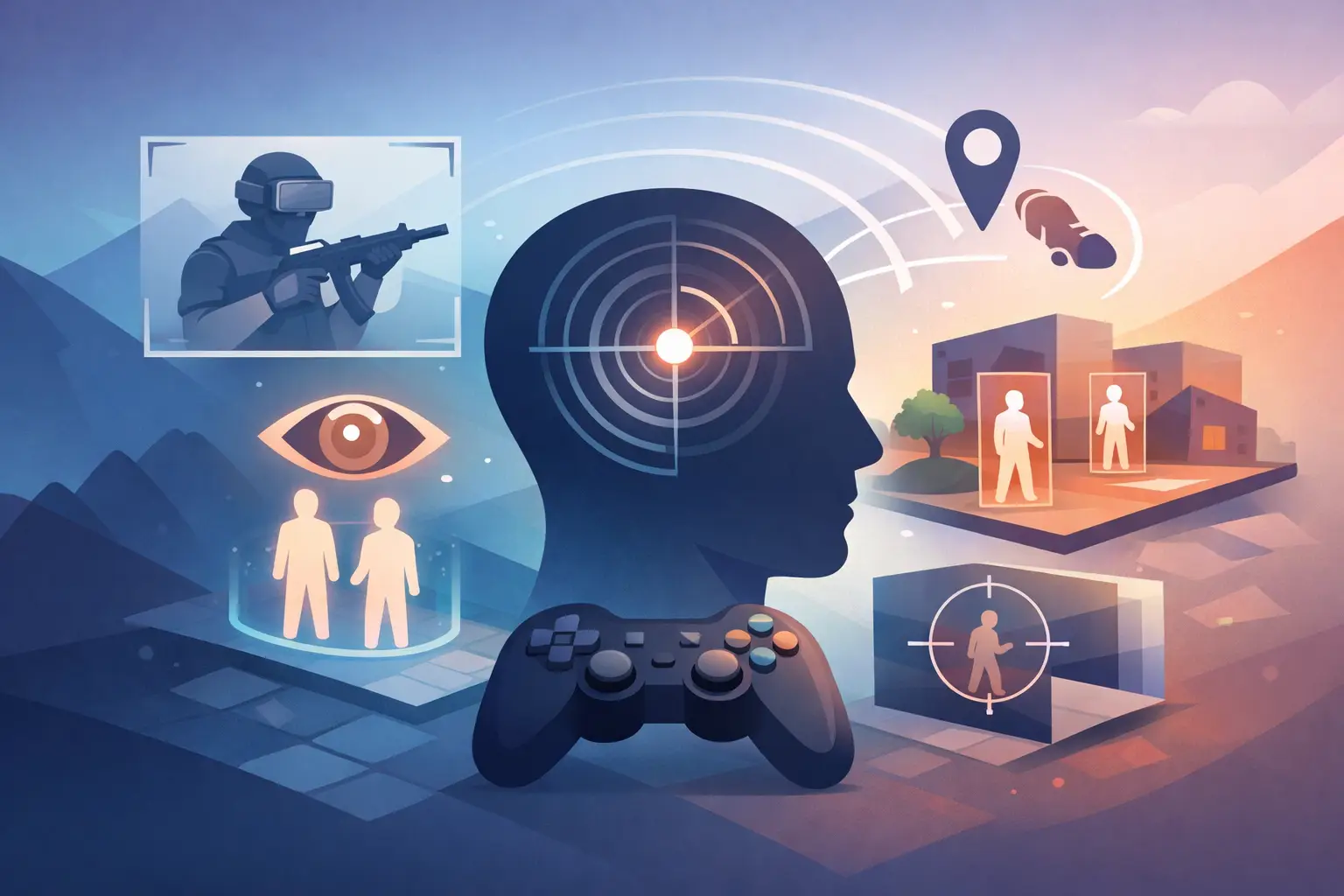
If you have been browsing cheat menus, trainer features, or mod lists and keep seeing ESP, you already know it usually means one thing - extra information on screen that other players do not get. So what does ESP mean in games? In plain terms, ESP is a visual cheat feature that reveals hidden data such as enemy positions, loot, vehicles, objectives, health, distance, or names through walls and across the map.
That is the short answer. The useful answer is that ESP is not one single feature. It is a category. Different games, engines, and cheat providers implement it in different ways, and the quality gap is massive.
What does ESP mean in games exactly?
ESP usually stands for Extra Sensory Perception. In gaming, that label gets borrowed to describe cheats that give you information beyond normal gameplay limits. If the game is supposed to hide an enemy behind a building, ESP can still show that player. If loot is scattered across a large area, ESP can mark it instantly. If targets are moving at distance, ESP can track them with boxes, lines, skeletons, or text overlays.
Players also call it wallhack, but that is only partly accurate. A wallhack usually refers to seeing enemies through walls. ESP is broader. It can include player ESP, item ESP, vehicle ESP, extraction ESP, bomb ESP, NPC ESP, and more. Think of wallhack as one common use case. ESP is the bigger system behind it.
In cheat software, ESP exists for one reason: information wins fights. If you know where people are, what they are carrying, and how far away they are, you make faster decisions. Better rotations. Cleaner pushes. Less guessing.
How ESP works in games
Most ESP features read game data and convert it into useful visual markers. That can mean drawing a box around a player model, showing a name tag through terrain, highlighting valuable items, or displaying distance and health in real time.
The exact method depends on the cheat. Some are basic and cluttered. Some are clean, stable, and customizable. Better tools usually let you decide what gets rendered and how. That matters because raw information is not enough. If the screen becomes unreadable, the feature turns into noise.
A typical ESP setup may show players with 2D or 3D boxes, snaplines from your crosshair to the target, bone structures for hitbox awareness, and labels for weapon, health, or team status. In a loot-heavy game, it may highlight cash, ammo, armor, rare gear, or mission items. In driving or open-world titles, it can also mark vehicles, event targets, or AI spawns.
The best version of ESP is selective. You hide junk. You keep high-value targets. You tune colors, distance limits, and categories so the screen feeds you only what matters.
Common types of ESP
Player ESP is the most recognized version. It shows enemy or nearby player locations, often through walls, terrain, smoke, or structures. This is the feature most people mean when they casually say wallhack.
Item ESP is built for games where gear and resources matter. Instead of searching every room or crate manually, you see loot marked instantly. That saves time and changes route planning.
Vehicle ESP is common in open-world and extraction games. It highlights drivable vehicles, occupied vehicles, or key transport spawns. Useful when speed matters.
Objective ESP marks mission items, extraction points, bomb sites, safes, containers, or event locations. In many games, this is less about raw combat and more about control.
Skeleton ESP shows a target's bone structure instead of just a box. Some players prefer it because it gives better read on movement, crouch state, and direction. Others want a cleaner display and stick with boxes only. It depends on the game and your setup.
Why players use ESP
The obvious reason is advantage. ESP removes uncertainty, and uncertainty is what most games use to create pressure. Once that fog is gone, you play with control instead of reaction.
In shooters, ESP helps with pre-aim, rotations, positioning, and third-party awareness. You know when someone is holding an angle before you swing. You know when a team is pushing from behind. You know whether that building is empty or loaded.
In survival and extraction games, ESP speeds up progression. Instead of wasting twenty minutes searching for one item, you route straight to what matters. That means more resources, better gear, and less dead time.
In open-world games, the value can shift from combat to efficiency. If a menu offers collectible ESP, mission target ESP, or vehicle location ESP, it turns grind-heavy progression into a direct path. That is why ESP is not only a PvP feature. It is also a convenience feature.
Is ESP the same as aimbot?
No. They work together, but they are different tools.
ESP gives information. Aimbot handles aiming assistance. One tells you where the target is. The other helps you hit the target. You can run ESP without aimbot if you want awareness without automated tracking. Some players prefer that because it feels more controlled and can look less obvious depending on the game.
That trade-off matters. A full rage setup with aggressive aimbot and loud visuals plays very differently from a low-visibility setup with clean ESP and restrained aim assist. One pushes raw dominance. The other pushes stealth and longer use.
What good ESP looks like
Not all ESP is worth using. Public tools often flood the screen, break after updates, or expose features with poor filtering. That creates two problems fast: bad usability and higher risk.
A good ESP system is stable, readable, and updated for the game it targets. It gives you control over render distance, colors, labels, team checks, visibility checks, and category filters. If you only want enemy boxes and rare loot, you should be able to run exactly that. No extra mess.
Performance matters too. ESP that tanks frames or stutters under load is weak, no matter how many toggles it includes. The point is faster decisions, not a choppy overlay that gets you killed.
For newer releases and high-demand titles, maintenance matters even more. A game can patch offsets, shift memory structures, or tighten anti-cheat checks with no warning. If the cheat is not maintained, ESP goes from premium feature to dead weight fast. That is one reason serious buyers do not treat all menus as equal.
What does ESP mean in games for different genres?
In competitive shooters, ESP usually means player tracking first. Enemy location, health, distance, weapon, and sometimes visibility status are the core set. Every piece of that data sharpens fights before they start.
In battle royale titles, the same feature expands. You may want player ESP, item ESP, vehicle ESP, and zone-relevant information together because survival, looting, and rotation all matter.
In extraction games, item and objective ESP can be just as valuable as player tracking. The point is not always to wipe the lobby. Sometimes it is to hit your route, secure high-value loot, and extract clean.
In racing or open-world games, ESP can support event completion, target discovery, or collectible farming. If Forza Horizon 6 stays hot, expect players to look for menus that go beyond obvious speed edits and add utility features that cut grind and improve control.
Is ESP risky to use?
Any cheat carries risk. The real question is how the tool is built, how often it is maintained, and how recklessly it is used.
Detection risk is not just about having ESP turned on. It also depends on the game's anti-cheat, the injection method, feature design, update speed, and user behavior. Loud settings can draw reports. Broken builds can expose signatures. Outdated software is where many users get burned.
That is why experienced buyers care about undetected status, current support, and a clean loader workflow. Setup quality matters. Maintenance matters. Restraint matters. It is not only about having features. It is about running features that still hold up.
The real value of ESP
ESP is popular because it compresses time and removes guesswork. You stop searching blind. You stop checking empty corners. You stop walking into avoidable fights with no information. Whether the goal is winning gunfights, farming faster, or controlling a lobby, ESP shifts the game in your favor by giving you the one resource every player wants more of - knowledge.
Used well, it is not just a flashy overlay. It is map control, target tracking, route efficiency, and decision speed on demand. If you are looking at a cheat menu and see ESP listed, now you know exactly what it means and why it stays near the top of every serious feature set. Pick tools that stay updated, keep the display clean, and give you control when it counts.